
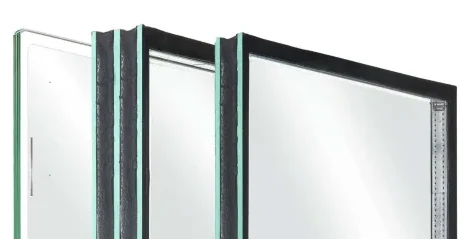
Do you want to better insulate your home? Then you quickly arrive at insulating glass. But which glass do you choose: HR++ glass, triple glass or vacuum glass? The best choice depends on your window frames, budget, insulation needs and whether you want to keep existing window frames.
The short rule is: HR++ glass is often the best choice for standard renovation, triple glazing is especially interesting for new window frames and vacuum glass is ideal for narrow or old window frames where thick glass does not fit. In this article we compare the most important types of insulating glass in terms of insulation, thickness, price, frames, safety and subsidies, so that you can more easily choose which glass suits your home.
What is insulating glass?
Insulating glass is glass that retains heat better than single glass. It usually consists of two or three panes of glass with a space in between: the cavity. There is air, noble gas or, in the case of vacuum glass, almost no air in that cavity. In addition, the glass may have a special coating that reflects heat back inside.
Insulating glass ensures:
- less heat loss
- more living comfort
- less cold
- lower heat demand
- better sound insulation
- less condensation on the inside
- higher home value
The best-known types of insulating glass are HR++ glass, triple glass and vacuum glass.
Why replace single glazing?
Single glazing is a poor insulator. In winter, the glass feels cold and heat quickly escapes outside. This means you have to burn more and it feels less comfortable near the window. Replacing single glass is wise if you suffer from:
- cold windows
- draft feeling
- high energy costs
- condensation on the inside
- outside noise
- low living comfort
- outdated appearance
By replacing single glazing with modern insulating glass you immediately improve the comfort in your home.
Why replace old double glazing?
Old double glazing is better than single glazing, but insulates much less well than modern HR++ glass, triple glazing or vacuum glass. You can often recognize old double glazing by:
- cold inner window
- wide aluminum spacer
- condensation on the inside
- condensation between the glass plates
- less comfort at the window
- production date in the glass edge
- outdated window frames or sealant seams
Is there moisture or haze between the glass plates? Then it is double glazing leaking and replacement is usually the best solution.
The most important types of insulating glass
| Type of glass | Best Application |
|---|---|
| HR++ glass | Standard renovation and existing window frames |
| Triple glass | New window frames and very good insulation |
| Vacuum glass | Old, narrow or monumental window frames |
There are also variants such as sound-resistant insulating glass, laminated insulating glass and insulating glass with ventilation grille.
What is HR++ glass?
HR++ glass consists of two panes of glass with an insulating cavity between them. The cavity usually contains argon gas. There is a heat-reflecting coating on one of the glass plates. HR++ glass is popular because it insulates well and often fits into existing window frames.
Benefits of HR++ glass:
- good insulation
- relatively affordable
- often suitable for existing window frames
- major improvement compared to single glazing
- good value for money
- possible subsidy
- widely available
Disadvantages of HR++ glass:
- thicker than single glass
- does not always fit in old window frames
- less insulating than triple or vacuum glass
- frame must be in good condition
For many homes, HR++ glass is the most logical choice. Read more in our article about what exactly HR++ glass is. Do you want to get started right away? Assemble your HR++ insulating glass.
What is triple glazing?
Triple glazing consists of three panes of glass with two insulating cavities. It is also called triple glazing or HR+++ glazing. Triple glass insulates better than HR++ glass, but is also thicker, heavier and more expensive.
Benefits of triple glazing:
- very good insulation
- high living comfort
- less cold
- suitable for energy-efficient homes
- interesting for new window frames
- possible higher subsidy when combined with new window frames
Disadvantages of triple glass:
- thick and heavy
- often does not fit into existing window frames
- more expensive than HR++ glass
- fittings and frame must be suitable
- not always necessary for standard renovation
Triple glazing is especially interesting for new construction, complete renovation or when you install new window frames. Read when triple glazing is and is not useful, or put together your triple glazing.
What is vacuum glass?
Vacuum glass consists of two sheets of glass with an extremely thin vacuum space between them. Because there is almost no air between the glass plates, heat transfer is greatly reduced. The biggest advantage of vacuum glass is that it is thin and yet insulates very well.
Advantages of vacuum glass:
- very good insulation
- much thinner than HR++ and triple glass
- often suitable for old window frames
- interesting at monuments
- preservation of existing appearance
- less drastic frame adjustments
- good alternative if HR++ is too thick
Disadvantages of vacuum glass:
- more expensive than HR++ glass
- more specialist product
- sometimes small spacers visible
- not always necessary with normal window frames
- good placement remains important
Vacuum glass is especially strong when renovating old homes where you want to keep the existing window frames. View our vacuum glass or compare vacuum glass with HR++ glass.
Compare glass, triple glass and vacuum glass
| Attribute | HR++ glass | Triple glass | Vacuum glass |
|---|---|---|---|
| Insulation | Good | Very good | Very good |
| Thickness | Often 24-28 mm | Often 36-42 mm | Often 8-12 mm |
| Weight | Average | High | Relatively favorable |
| Price | Lower | High | High |
| Fits in existing window frames | Often | Often not | Often yes |
| Best for new window frames | Can | Yes | Sometimes |
| Best for old window frames | Sometimes | Usually not | Yes |
| Assembly | Standard | Heavier | More specialist |
| Subsidy possible | Often | Often | Often |
| Best price-quality | Often yes | Only with new window frames | For narrow window frames |
This comparison clearly shows that there is not one best type of insulating glass. The best choice depends on your situation.
Rule of thumb: HR++ glass is the standard choice for existing window frames, triple glazing is chosen for new window frames and maximum insulation, and vacuum glass is the solution for narrow or old window frames where thick glass does not fit.
Which insulating glass insulates best?
Triple glass and vacuum glass usually insulate better than HR++ glass. However, that does not automatically mean that they are always the best choice. Don't just look at the insulation value, but also at:
- does the glass fit in the frame?
- is the frame strong enough?
- what are the total costs?
- how much profit does it generate?
- must the appearance be preserved?
- is the rest of the house well insulated?
- is ventilation properly arranged?
An extremely well insulating window in a poorly insulated window frame or poorly insulated facade yields less than you expect. Glass and frame must fit together.
Which U-value belongs to insulating glass?
The U-value indicates how much heat is lost through the glass. The lower the U-value, the better the glass insulates.
| Type of glass | Insulation indication |
|---|---|
| Single glazing | Bad |
| Old double glazing | Moderate |
| HR++ glass | Good |
| Triple glass | Very good |
| Vacuum glass | Very good |
The exact U-value varies per product and glass structure. Therefore, always check the technical specifications of the glass you order. Maximum U-values are often important for subsidies. Do you want to apply for a subsidy? Then check in advance whether the glass meets the requirements. Quickly calculate the insulation value with our U-value calculator or read more about the U-value of glass.
Does insulating glass fit in existing window frames?
That depends on the glass thickness and rebate depth. For existing window frames you must check:
- current glass thickness
- rebate depth
- space for glazing tape
- space for glazing beads
- kit room
- condition of the frame
- weight of the window
- hinges on rotating windows
- ventilation and drainage
HR++ glass often fits into existing window frames, but not always. Triple glazing often only fits well in new window frames. Vacuum glass often fits better in old and narrow window frames. Read more about thicker insulating glass in an existing frame and about measuring glass.
Insulating glass in wooden frames
Wooden frames are often easy to adapt, provided they are in good condition. With old single glazing, HR++ glass can sometimes be installed with adapted glazing beads, covering beads or nose beads. NB:
- wood rot
- old putty
- narrow rebate
- bad sealant seams
- weak rotating parts
- ventilation of the frame
- sufficient glazing bead space
Vacuum glass can be interesting for characteristic wooden frames, because it is thinner and the existing appearance is better preserved.
Insulating glass in plastic frames
With plastic frames you are dependent on the profile. You can usually adjust the frame less easily than with wood. Check:
- what glass thickness the profile can handle
- which glazing beads are available
- either HR++ or triple glazing fits
- whether the rubbers are still good
- whether the window is not too heavy
- whether ventilation grilles are possible
With modern plastic frames, HR++ or triple glazing is often possible. With older profiles you must check the maximum glass thickness.
Insulating glass in aluminum frames
The choice also depends on the profile for aluminum frames. Old aluminum frames often insulate less well than modern thermally broken frames. NB:
- thermal break
- maximum glass thickness
- glazing beads
- rubbers
- condensation
- cold bridges
- weight of the window
Triple glazing in a poorly insulating old aluminum frame makes less sense. Then you still lose heat through the frame.
Insulating glass, ventilation, sound and safety
Insulating glass with ventilation grille
With new insulating glass, it is wise to immediately think about ventilation. Better glass makes your home more dense, but moisture must still be able to escape. Ventilation grilles are useful in:
- bedrooms
- living rooms
- kitchens
- bathrooms with window
- rooms with condensation problems
A ventilation grille can often be placed above the glass. Please note that the glass size will be lower due to the glass deduction from the grille. View our ventilation grilles.
Insulating glass and condensation
New insulating glass can reduce condensation, but it does not solve every moisture problem. Condensation on the inside usually occurs due to:
- high humidity
- too little ventilation
- cooking
- shower
- laundry drying
- cold bridges
Condensation on the outside of well-insulating glass is usually not a problem. It often means that the glass works well. Condensation between the glass plates is a problem: the insulating glass is leaking and the window must be replaced. Read more about condensation on windows inside, outside and between the glass.
Insulating glass and sound
Insulating glass can reduce noise, but thermal insulation and sound insulation are not the same. Do you want less noise from outside? Then please note:
- glass thicknesses
- asymmetrical glass structure
- layered foil
- gap sealing
- frame quality
- ventilation grilles
- total assembly
Special sound-resistant insulating glass can work better than standard HR++ or triple glazing.
Insulating glass and safety
Insulating glass is not automatically safety glass. This is a common mistake. A standard HR++ window can insulate well, but can still be dangerous if broken. In high-risk areas you should therefore opt for laminated or toughened safety glass in the insulating glass structure. Safety glass is important for:
- low windows
- windows to the floor
- doors
- side lights
- balustrades
- roof glazing
- glass next to stairs
- situations with a risk of falling through
So you can opt for insulating glass that is also safety glass, for example HR++ glass with a laminated inner pane. View our options in safety glass.
Can you get a subsidy for insulating glass?
HR++ glass, triple glass and vacuum glass can in many cases be eligible for a subsidy, as long as they meet the conditions. NB:
- minimum surface area
- maximum U-value
- professional installation
- invoice with correct information
- proof of payment
- reporting code
- photos of the work
- application within the correct period
Subsidy conditions may change. Therefore, always check the current rules before ordering glass. Read more about the ISDE subsidy for insulating glass.
Which insulating glass do you choose?
| Situation | Best choice |
|---|---|
| Replace single glass in normal frame | HR++ glass |
| Replacing old double glazing | HR++ glass |
| Replace leaking double glazing | HR++ glass |
| Installing new window frames | Consider triple glazing |
| Narrow old window frames | Vacuum glass |
| Monumental house | Vacuum glass or monument glass |
| Maximum insulation without thick glass | Vacuum glass |
| Maximum insulation with new window frames | Triple glass |
| Limited budget | HR++ glass |
| Maintain existing appearance | Vacuum glass |
Common mistakes when choosing insulating glass
- Only look at the insulation value — The glass must also fit the frame and the home.
- HR++ choose glass without measuring rebate depth — HR++ glass is thicker than single glass; always check if it fits.
- Want to install triple glazing in old window frames — Triple glazing is often too thick and too heavy for existing old window frames.
- Skip vacuum glass for narrow window frames — If HR++ glass does not fit, vacuum glass can be a good solution.
- Safety forgotten — Insulated glass is not automatically safety glass.
- Do not regulate ventilation — Better insulation without ventilation can cause moisture problems.
- Check subsidy only afterwards — Check subsidy conditions before ordering.
Checklist before ordering insulating glass
- Which glass is in my frame now?
- Do I want to replace single glazing or old double glazing?
- Is the current glass leaking?
- What is the rebate depth?
- Which glass thickness is suitable?
- Is the frame in good condition?
- Is the window fixed or rotating?
- Can the frame support the weight?
- Is safety glass necessary?
- Do I want ventilation grilles?
- Do I want to apply for a subsidy?
- Is HR++ glass sufficient?
- Is triple glazing possible?
- Is vacuum glass better due to limited space?
- Is the glass professionally installed?
Conclusion
Insulating glass is a smart way to make your home more comfortable and energy efficient. HR++ glass, triple glass and vacuum glass each have their own strengths. For most standard renovations, HR++ glass is the best choice: it insulates well, is affordable and often fits into existing window frames. Triple glazing is especially interesting with new window frames or a very well-insulated home. Vacuum glass is ideal for old, narrow or monumental frames where thick glass does not fit.
So don't just choose the glass with the highest insulation value. Look at your frame, glass thickness, budget, appearance, ventilation and safety.
Read more or get started right away? View our insulating glass and vacuum glass, delve into HR++ glass, triple glass or the comparison vacuum glass versus HR++, and calculate your insulation with the U-value calculator.
Are you unsure which insulating glass suits your frame? Customize your insulating glass or triple glass, or request non-binding advice from Team Glastotaal.