
Custom glass
Dubbel glas op maat.
HR++ dubbel glas, HR+++ triple glas, geluid- en zonwerend isolatieglas — op maat voor een warm, stil en energiezuinig huis. Stel je opbouw direct online samen en zie meteen je prijs en U-waarde.
Dubbel glas & isolatieglas — alle typen
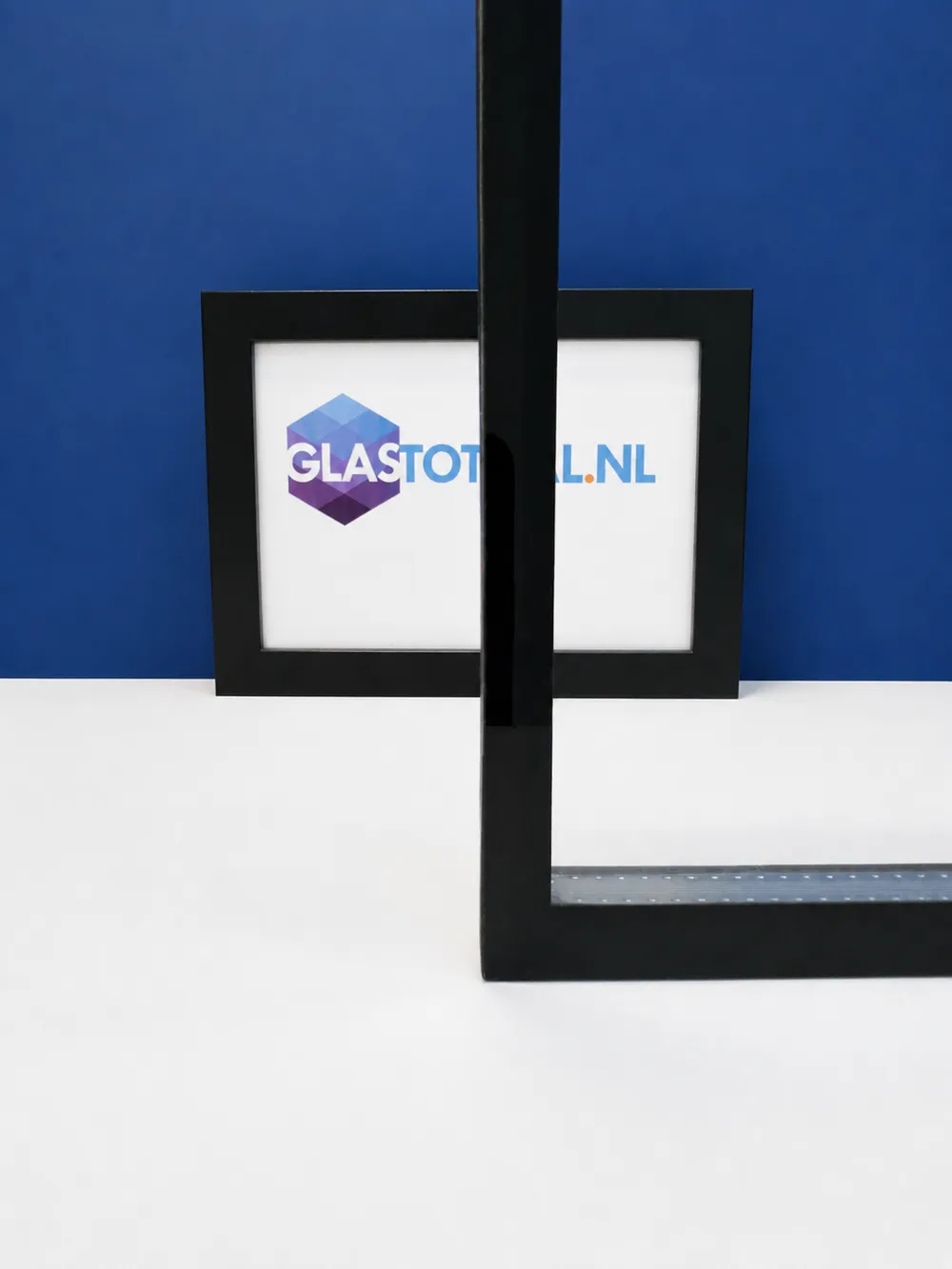 U ± 2,8
Standard double glazing
Double glazing without coating — affordable insulation, the simple basis.
U 1,0–1,1Hoogrendementsglas
Double glazing with low-E coating and argon — by far the most chosen insulation.
U ± 1,1Sun-control glass (SUN)
HR++ with sun-control coating — blocks solar heat, cooler indoors in summer.
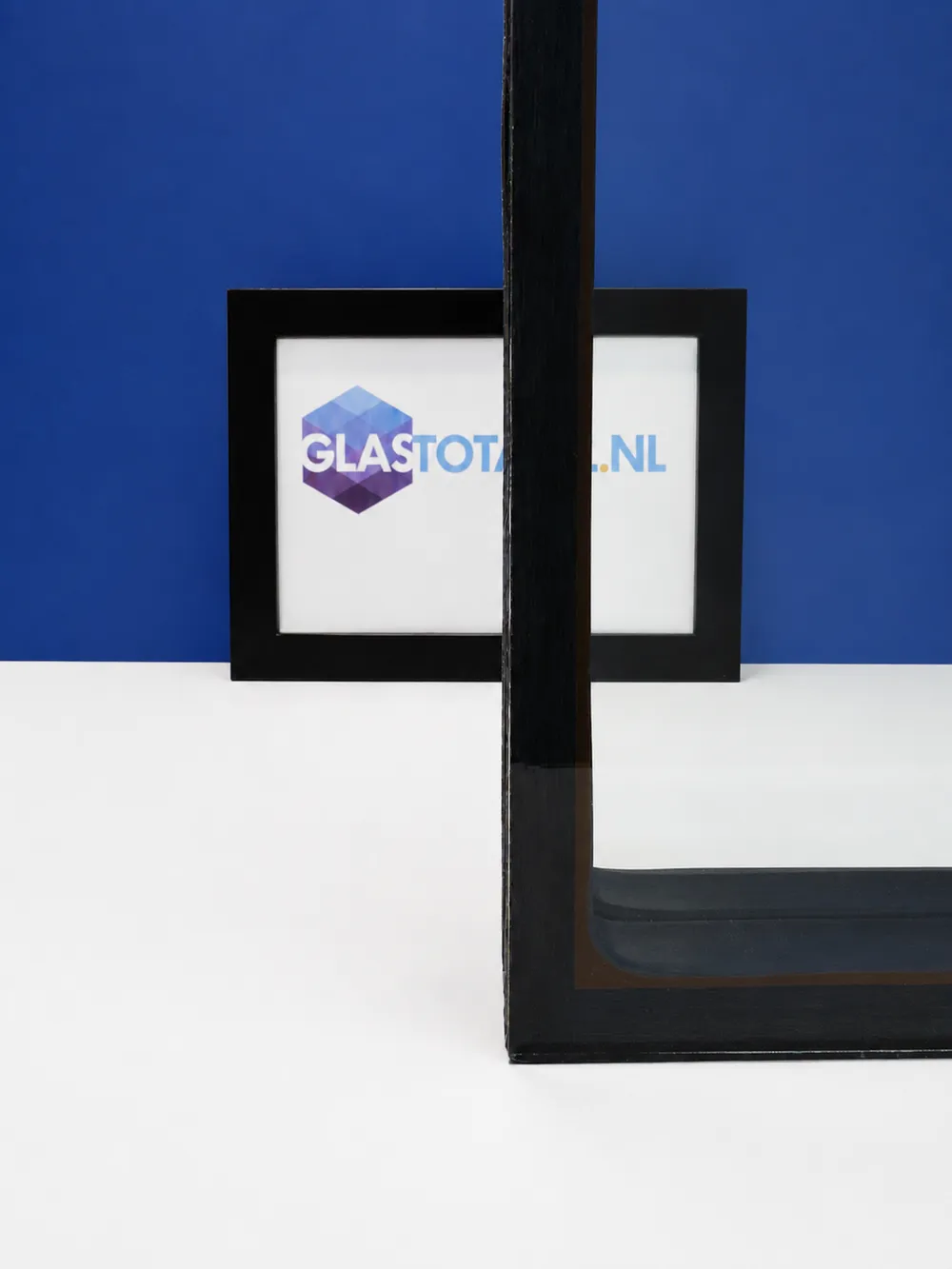 U ± 0,6
Triple glazing (HR+++)
Three panes, two cavities — top insulation for new builds and very low consumption.
More custom glass
Dubbel glas bestellen: alles wat je moet weten
Insulating glass consists of two (double/HR++) or three (triple/HR+++) panes with an airtight, noble-gas-filled cavity between them. An invisible low-E coating keeps the heat inside. The result: less heat loss, less condensation and a lower energy bill — expressed as a low U-value.
The right build-up depends on your frame, insulation requirement and any wishes such as sound or sun control. In the configurator you configure the build-up yourself and see your price and U-value instantly.
Dubbel glas, HR++ of triple — wat is het verschil?
Dubbel glas is de verzamelnaam: twee glasplaten met een luchtdichte spouw ertussen. Standaard dubbelglas heeft een kale spouw en isoleert maar matig. HR++ heeft daar twee dingen bij: een vrijwel onzichtbare low-E coating aan de spouwzijde die warmtestraling terugkaatst, en argon in plaats van lucht in de spouw. Dat scheelt bijna een factor drie in warmteverlies — zie de tabel hieronder.
Triple glas (HR+++) zet er een derde ruit en een tweede spouw bij. Dat isoleert nog beter, maar het pakket wordt fors dikker en zwaarder: veel bestaande kozijnen kunnen het niet aan. Vervang je glas in een bestaand kozijn, dan is HR++ meestal de verstandige keuze; bij nieuwbouw of nieuwe kozijnen loont triple.
Welke spouwbreedte kies je?
Dit is de keuze waar de meeste mensen over struikelen, en waar de meeste winst zit. De spouw bepaalt samen met de coating je U-waarde — maar niet lineair: vanaf een bepaalde breedte gaat het gas in de spouw circuleren en wordt de isolatie juist weer slechter. Dit is de tabel van onze fabrikant:
| Opbouw | 6 | 7 | 9 | 10 | 12 | 13 | 14 | 15 | 16 | 18 | 20 | 24 |
|---|---|---|---|---|---|---|---|---|---|---|---|---|
| Standard double glazinggeen coating | 3,0 | 3,0 | 2,8 | 2,8 | 2,7 | 2,7 | 2,6 | 2,6 | 2,6 | 2,6 | 2,6 | 2,6 |
| HR++ basislow-E coating + argon | 2,0 | 1,8 | 1,6 | 1,4 | 1,3 | 1,2 | 1,2 | 1,1 | 1,1 | 1,2 | 1,2 | 1,2 |
| HR++ premiumbetere coating + argon | 2,0 | 1,8 | 1,5 | 1,4 | 1,2 | 1,1 | 1,1 | 1,0 | 1,0 | 1,1 | 1,1 | 1,1 |
Spouwbreedte in mm (bovenste rij), U-waarde in W/m²K volgens de tabel van onze glasfabrikant, gemeten op een 4-4 mm opbouw met argon. De beste waarde per opbouw staat vet — breder is dus niet altijd beter.
Kort samengevat: rond de 15 tot 16 mm haal je het beste resultaat, met U 1,0 als laagste waarde uit de tabel. Past dat niet in je sponning, dan kies je de breedste spouw die er wél in past — de configurator toont per keuze meteen de bijbehorende U-waarde.
De afstandhouder: waarom die kleur ertoe doet
Langs de rand van elke isolatieruit loopt een afstandhouder. Die houdt de ruiten uit elkaar en houdt het gas binnen, maar geleidt ook warmte — een koudebrug op precies de plek waar condens ontstaat. Je hebt bij ons drie keuzes:
- Standard aluminium — Aluminium-coloured · standard, no surcharge
- Warm Edge TGI (black) — Thermally broken · less heat loss along the edge
- UV-resistant silicone sealant (black) — For edges exposed to sun and moisture — skylight, garden room, boat
Zit je ruit rondom achter glaslatten, dan volstaat de standaard aluminium afstandhouder. Ligt de rand bloot aan zon en vocht — een lichtstraat, tuinkamer of bootraam — dan is de siliconen afdichting geen luxe maar noodzaak.
Wat bepaalt de prijs van dubbel glas op maat?
- De opbouw — glasdikte, coating en of je gelaagd of gehard glas nodig hebt. Elke combinatie heeft zijn eigen prijs per m².
- Het oppervlak — een grote ruit is per m² duurder, niet goedkoper: vanaf 3 m² rekent onze glasfabrikant een grootte-toeslag van 50 %, from 6 m² wordt dat 100 %. Er geldt bovendien een minimale afrekenoppervlakte van 0,65 m².
- Spouw en vulgas — Argon (standaard), Krypton or Air. Krypton isoleert beter bij een smalle spouw en is daarom vooral interessant als je sponning weinig ruimte biedt.
- De afstandhouder — wordt per strekkende meter omtrek gerekend, dus een lange smalle ruit kost daar relatief meer aan dan een vierkante.
- De vorm — rechthoekig is het voordeligst; schuine zijden, bogen en ronde ruiten krijgen een vormtoeslag die de configurator meerekent.
Dubbel glas bestellen: zo meet je op
Isolatieglas wordt op de millimeter gemaakt en kan achteraf niet meer bijgeschaafd worden, dus het opmeten is het belangrijkste deel van je bestelling.
- Meet de sponningmaat — de ruimte waar het glas ín valt, dus tot achter de glaslatten. Niet de maat van het zichtbare glas: dat is de daglichtmaat en die is kleiner.
- Meet breedte en hoogte op drie plekken (boven, midden, onder) en houd de kleinste maat aan. Oude kozijnen zijn zelden zuiver haaks.
- Trek rondom speling af zodat het glas vrij in de sponning ligt en kan werken. Twijfel je over de aftrek voor jouw kozijn? Bel of mail ons vóór je bestelt — dat kost vijf minuten en scheelt een verkeerde ruit.
- Is je kozijn niet rechthoekig, kies dan in de configurator de bijpassende vorm en geef alle maten op; je ziet de tekening direct meelopen.
Zelf plaatsen of laten plaatsen?
Dubbel glas is zwaar en de plaatsing luistert nauw: de ruit moet op beglazingsblokjes rusten, de sponning moet geventileerd en droog zijn en de randafdichting mag niet permanent in het water staan. Doe je het zelf, bestel dan meteen de beglazingsblokjes en kit mee. Liever niet zelf? Wij regelen de montage — je krijgt dan één prijs voor glas en plaatsing.
Wil je eerst weten wat een opbouw voor jouw situatie oplevert? Reken 'm door met de U-waarde-calculator, of stel je ruit direct samen — je ziet je prijs en U-waarde meteen in beeld, zonder offertetraject.
U-value per glass type
- Single glass± 5,8
- HR++ double± 1,1
- HR+++ triple± 0,6
- Vacuum glassup to 0,35
Lower = better insulated (W/m²K).
Calculate your U-value →This is how you put together your custom glass
Click through the configurator yourself — in a minute you will see how you go from idea to order, to the millimetre and with the right price straight away.
- 1
Choose your glass
Select your glass type, color/design and thickness. You can immediately see the price per m².
- 2
Choose the shape
Rectangle or a special shape (circle, oval, oblique corner). You will immediately see any shape surcharge.
- 3
Enter your measurements
Width × height in mm — always give the glass size, not the rebate size. We make exactly what you enter.
- 4
Edits as desired
Edge finishing (from standard cutting edge to polished, miter or bevel) and bores, recesses and rounded corners.
- 5
Immediately the price, ordered safely
Live price (incl./excl. VAT) with all surcharges, a free safety check and then insured shipping.
Frequently asked questions about insulating glass
What is the difference between HR++ double glazing and triple glazing?▾
The difference is in the structure and the insulation value. HR++ glass consists of two panes of glass with an insulating noble gas (argon) in the cavity and a wafer-thin heat-reflecting coating — which insulates much better than old double glazing. Triple glazing (HR+++) continues with three glass panes and two cavities: it insulates extremely well and is the standard for energy-neutral homes, but is thicker and heavier than HR++.
Does triple or HR++ glass always fit in my existing window frames?▾
HR++ glass fits most modern wooden, plastic or aluminum frames, because the total thickness is often comparable to older double glazing. Triple glass is a lot thicker and heavier due to the three layers of glass; Sometimes window frames need to be adjusted (for example with deeper glazing beads) or the fittings are not designed for the extra weight. Do you want to know what to pay attention to when measuring your frame thickness? Read in our knowledge base how to check which insulating glass fits.
What does the U-value mean for insulating glass?▾
The U-value indicates how much heat is lost per square meter through the glass: the lower, the better the insulation. Old single glazing is around 5.8; modern HR++ around 1.1; triple glass falls well below that at 0.6 to 0.5. A lower U-value retains heat better and immediately saves on your energy bill. Curious about the value of your structure? Calculate it with our U-value calculator.
How do I calculate the total thickness of my insulating glass in the configurator?▾
The total thickness is the sum of the glass sheets and the cavity. In the configurator you see this, for example, as 4-15-4 or 4-15-5: an outer leaf of 4 mm, a cavity of 15 mm and an inner leaf of 4 or 5 mm — so 23 or 24 mm in total. Which glass and cavity thickness you choose mainly depends on the space in your frame. Because the cavity has a major influence on the insulation, the configurator calculates the U-value live while you assemble. Are you unsure about the structure? Contact us and we will take a look.
Am I entitled to a subsidy for insulating glass?▾
As a private individual, you can often take advantage of the national ISDE subsidy when you insulate your home with HR++ or triple glazing. Conditions apply: the glass must be placed in the existing thermal shell, the U-value must meet the minimum requirements and installation must often be carried out by a recognized company. Are you requesting installation through our installation partner? They will then help you with the correct documentation for the subsidy application.
Now on sale
 −15%
−15%8 in 1 tool
Tools
 −10%
−10%Aluminium 2-part glass suction cup
Tools
 −10%
−10%Castolin torch CT 27 Piezo for Gas-Pro
Tools
 −15%
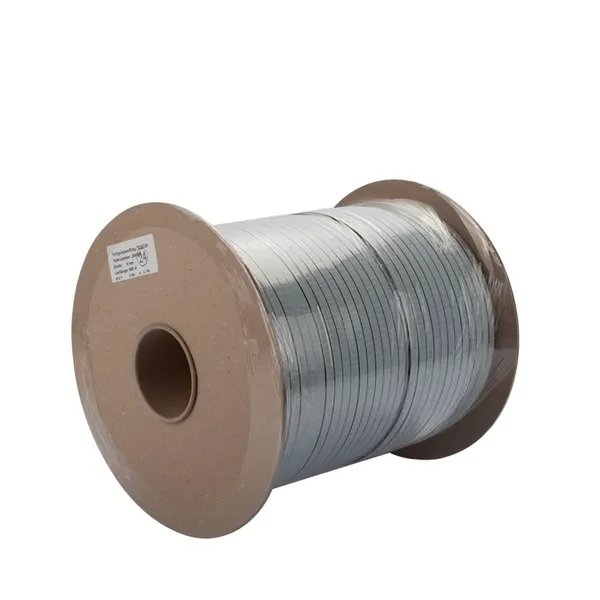
−15%Coroplast glass tape on reel 9x3mm 400m gray
Tapes & bands
 −15%
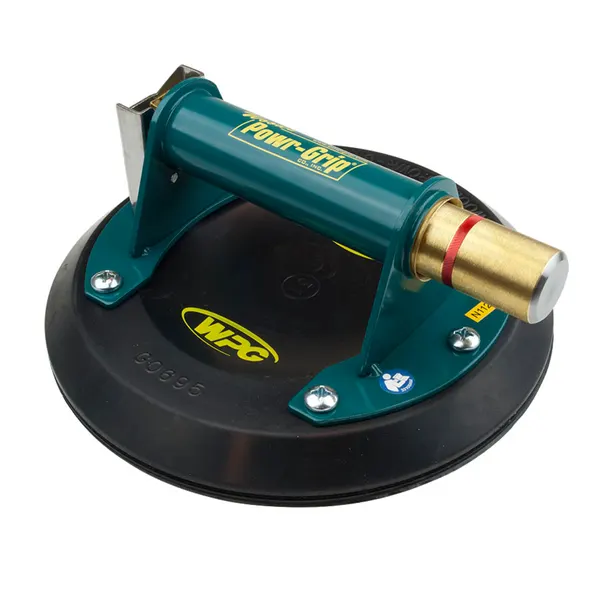
−15%Glass piston Woods PowerGrip metal
Tools
Good to know
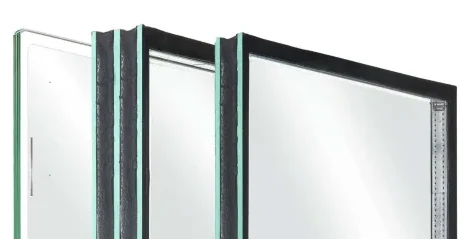
Compare insulating glass: HR++, triple or vacuum glass?
HR++, triple and vacuum glass compared for insulation, thickness, price, frames and subsidy, so that you choose the right insulating glass for your home.
Read more →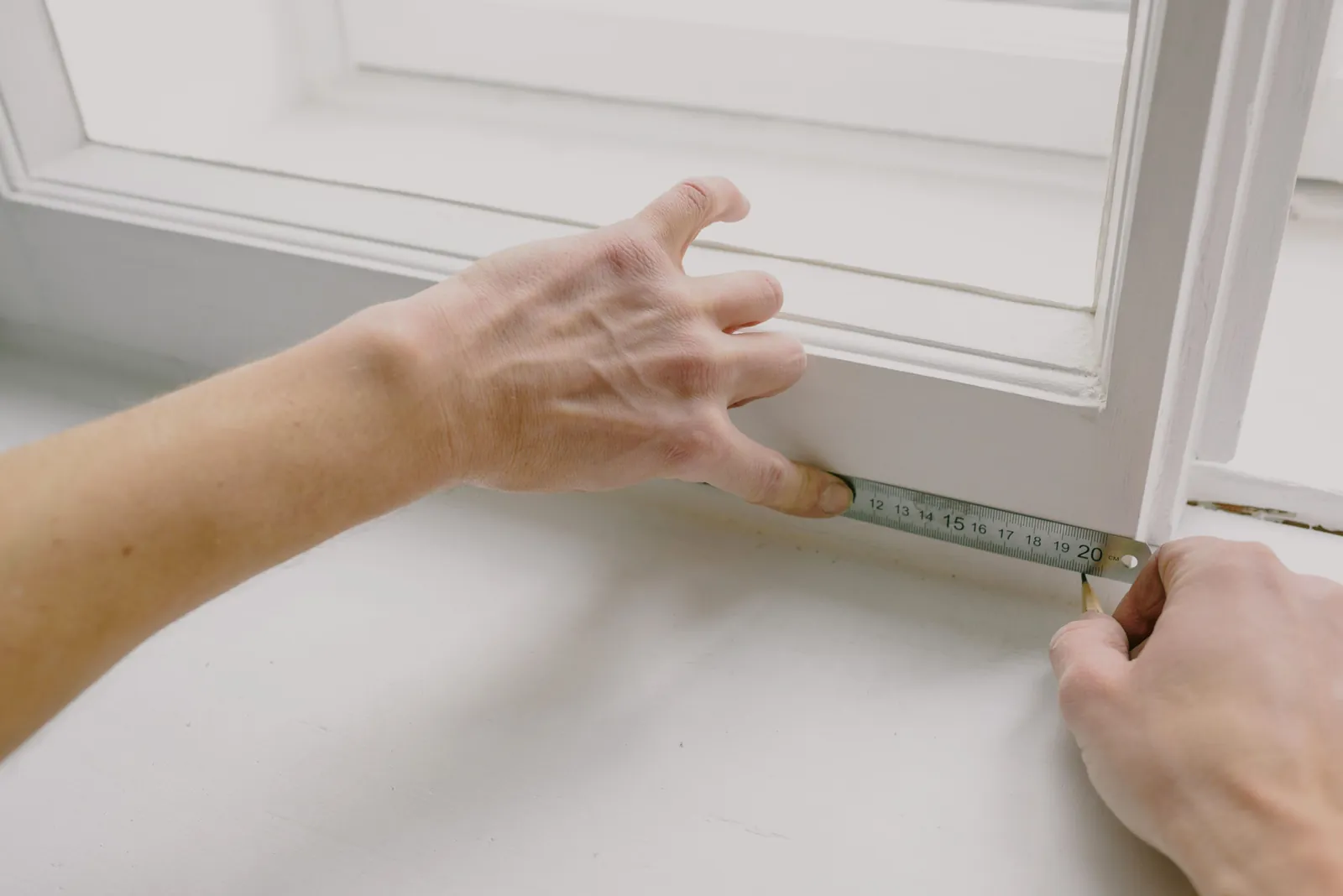
Does thicker insulating glass fit in my existing frame?
Swapping single or old double glazing for HR++, triple or vacuum glazing? Check rebate depth, beads and weight first — with a step-by-step measuring guide.
Read more →
Replacing glazing beads with insulating glass
When new glazing beads are needed, nose bead versus cover bead, per frame material, and why good beads keep the edge of your glass dry and protected.
Read more →We'll help you choose
Not sure which glass or thickness you need? Read our measuring and choice guides, or get in touch — we're happy to help before you order.