
Do you want to replace single glazing or old double glazing with HR++ glass, triple glazing or vacuum glass? Then one question is more important than all the others: Does the new glass fit in your current frame?
HR++ glass fits in many existing window frames, sometimes with adapted glazing beads. Triple glazing is often too thick and heavy for older window frames. Vacuum glass is a smart solution when you want good insulation, but have little space in the rebate.
In this article we explain what you should pay attention to, how you can check whether thicker insulating glass fits and when it is better to choose HR++, triple glass or vacuum glass.
Why is new insulating glass thicker?
Old single glazing consists of one pane of glass. That is thin, but hardly insulates. Modern insulating glass consists of multiple layers of glass with an insulating space between them.
With HR++ glass you usually have:
- an outside window;
- an insulating cavity;
- an inner window;
- a special heat-reflecting coating;
- gas filling in the cavity.
Triple glass goes one step further and consists of three panes of glass with two cavities. This insulates better, but also makes the glass much thicker and heavier.
You will immediately notice that difference with existing window frames. An old wooden frame that was once made for single glazing often does not have enough space for thick insulating glass. Do you want to calculate the insulation gain per glass structure? Use the U-value calculator.
What is the rebate of a window frame?
The rebate is the recess in the frame into which the glass falls. You can think of it as the "slot" in which the window is placed.
When replacing glass, not only the window itself must fit into the rebate. There must also be room for:
- glazing tape;
- glazing beads;
- kit;
- any ventilation grilles;
- sufficient clearance around the glass.
A common mistake is that people only look at the glass thickness. But if a HR++ pane is 24 mm thick, this does not automatically mean that a rebate of 24 mm is enough. You also need space for assembly and finishing.
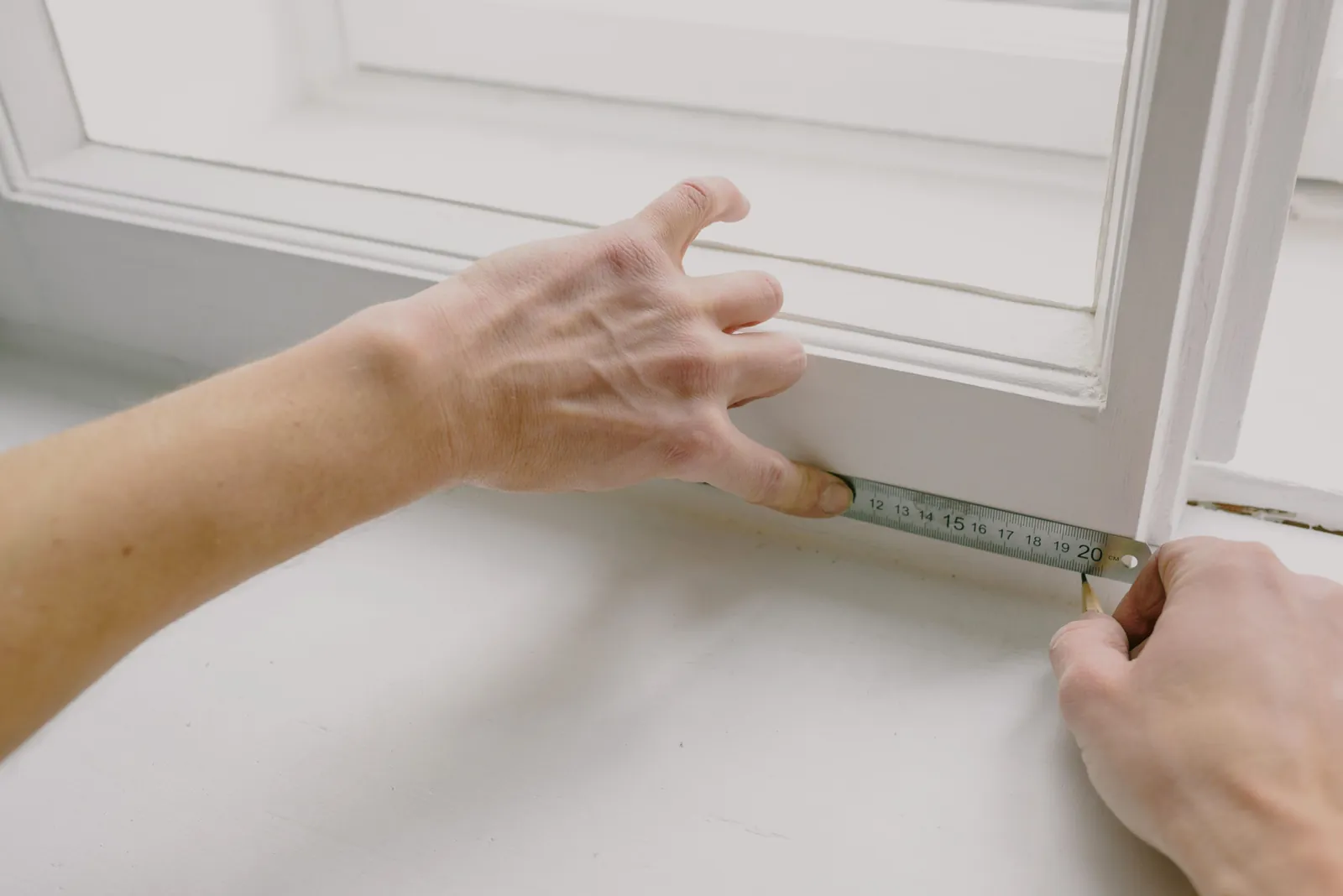
How do you measure the rebate depth?
You can do an initial check yourself. Measure a rotating window or fixed frame:
- the total thickness of the frame wood or window part;
- the distance from the outside of the wood to the glass;
- the distance from the inside of the wood to the glass.
Subtract the interior and exterior depth from the total wood thickness. What remains is approximately the available space for the glass.
Calculation example:
| Part | Size |
|---|---|
| Total thickness of frame part | 56 mm |
| Depth outside to glass | 16 mm |
| Depth inside to glass | 14 mm |
| Available glass space | 26 mm |
In this example, HR++ glass of approximately 24 mm could possibly fit, depending on glazing beads, band and finish. Do you want to be sure that you measure correctly? Also read measuring glass: this is how you do it right.
How thick is HR++ glass?
HR++ glass is usually about 24 to 28 mm thick, depending on the glass construction. A commonly used structure is, for example, 4-15-5 or 5-15-4. The exact thickness depends on the glass plates and the cavity width.
HR++ glass often fits into existing window frames, but not always without adjustment. Especially in older wooden frames, the rebate may be just too shallow. In that case, a glazier can sometimes work with adapted glazing beads, covering beads or nose laths.
Does HR++ glass fit in my existing frame?
In many cases: yes. HR++ glass often fits in existing window frames when:
- the rebate is deep enough;
- the frame is still in good condition;
- there is sufficient space for glazing beads;
- the window or door can handle the extra weight;
- the drainage and ventilation of the frame continue to work properly.
In homes from the 80s, 90s and later, HR++ glass is often possible. You need to check more closely in older homes. Does it fit? Then you can immediately assemble HR++ insulating glass.
When is HR++ glass unlikely to fit?
HR++ glass can become difficult when:
- you now have very thin single glass;
- the rebate is shallow;
- the glazing beads are already very narrow;
- the frame is damaged or rotten;
- the window is very small or narrow;
- these are monumental windows.
Does HR++ just not fit? Then you do not have to immediately replace the entire frame. Adjusted glazing beads can sometimes create enough space.
What are top slats and nose slats?
Cover slats and nose slats are adapted glazing beads that are used when the new glass is thicker than the old glass. They partly fall over or outside the existing frame and create extra space for thicker insulating glass.
They are often used for:
- replacement of single glazing with HR++ glass;
- old wooden frames;
- renovation projects;
- situations in which the frame must be retained.
The advantage is that you do not need a completely new frame. The disadvantage is that the appearance may change slightly, because the glazing beads are more visible.
How thick is triple glass?
Triple glass is usually about 36 to 42 mm thick. That is considerably thicker than HR++ glass. Triple glass consists of:
- three glass plates;
- two cavities;
- insulating gas filling;
- one or more coatings.
As a result, triple glazing insulates very well, but it requires a lot from the frame. Are you installing new window frames? Then you can compose triple glass.
Does triple glazing fit in existing window frames?
Triple glazing does not fit well in many existing window frames. The main reasons are:
- the rebate is often too shallow;
- the glass is much heavier;
- existing glazing beads no longer fit;
- rotating windows can droop;
- hinges are often not designed for the extra weight;
- the appearance of the frame can change due to thick glazing beads.
Triple glazing is especially suitable when you also install new window frames. In new construction, passive houses or very well insulated homes, triple glazing is often a logical choice. When renovating, HR++ or vacuum glass is often more practical.
Why is weight so important?
Glass is heavy. On average, glass weighs approximately 2.5 kilos per square meter per millimeter of glass thickness.
With insulating glass, you mainly count the thickness of the glass plates. A HR++ pane with two 5 mm glass panes therefore weighs approximately 25 kg per square meter. Triple glazing with three panes of glass can be considerably heavier.
This is usually less of a problem for fixed windows. It is important for rotating windows, doors and sliding doors. Glass that is too heavy can cause:
- sagging windows;
- jamming doors;
- worn hinges;
- cracks in old window frames;
- problems with locks;
- higher mounting load.
Therefore, check not only whether the glass fits, but also whether the frame and fittings can handle the weight.
When do you choose vacuum glass?
Vacuum glass is a good solution when you want high insulation, but have little space. With vacuum glass there is not a wide cavity with gas between the glass plates, but a thin vacuum space. This makes the glass much thinner than triple glass, while the insulation value can be very good.
Vacuum glass is suitable for:
- old wooden frames;
- monumental buildings;
- renovation without window frame replacement;
- narrow rebates;
- homes where HR++ does not fit well;
- situations where you want to maintain the original appearance.
The big advantage is that vacuum glass often fits where HR++ or triple glass is too thick.
HR++, triple glass or vacuum glass: what do you choose?
| Situation | Best choice |
|---|---|
| Existing frame with sufficient space | HR++ glass |
| New frame or new construction | Triple glass |
| Old narrow frame | Vacuum glass |
| Monumental building | Vacuum glass |
| Limited budget | HR++ glass |
| Maximum insulation with new window frames | Triple glass |
| Renovation without replacing window frames | HR++ or vacuum glass |
| Revolving window with old fittings | HR++ or vacuum glass, check weight |
In practice, HR++ glass is the best balance between insulation, price and applicability for many homes. Triple glazing is especially interesting for new window frames. Vacuum glass is ideal when you have little space but still want good insulation.
How do you know if your frame is suitable?
Check these points:
- Is the rebate deep enough?
- Is the wood still healthy?
- Are the glazing beads suitable?
- Is there room for glazing tape and sealant?
- Can the window support the extra weight?
- Are the hinges strong enough?
- Is there sufficient ventilation around the glass?
- Do you want to maintain the existing appearance?
- Is it a monumental building?
- Is subsidy important?
If you have doubts on several points, it is wise to ask for advice before ordering. In many cases you can use the ISDE subsidy for post-insulating glass; the current conditions can be found at the Netherlands Enterprise Agency at rvo.nl.
Common mistakes with thicker insulating glass
- Only look at the glass thickness. The glass thickness is important, but not enough. You also need to leave room for mounting, band, sealant and glazing beads.
- Forgot the weight. A heavier window can cause windows to sag or doors to no longer close properly.
- We want triple glazing in old window frames. Triple glazing insulates well, but often does not fit neatly into existing window frames. Sometimes the adjustment is more expensive than the benefit.
- Do not take appearance into account. Thick rebated slats can change the appearance of an old window frame. Vacuum glass is often more attractive in monumental buildings.
- Order yourself without checking. With insulating glass, a measurement error is expensive. Glass cannot simply be adjusted after production.
Can I keep my window frames?
Often yes. When replacing single glazing or old double glazing, you do not always have to install new frames. Existing frames are often still usable, especially with HR++ glass or vacuum glass.
New window frames are especially needed when:
- the frame is rotten;
- the rebate is much too small;
- you want to install triple glazing;
- the framework is not technically strong enough;
- you want to improve the entire insulation shell.
Are your window frames still good? Then replacing glass is often a smart and more affordable step.
Conclusion
Thicker insulating glass does not automatically fit into every existing frame. HR++ glass fits in many cases, sometimes with adapted glazing beads. Triple glass is often too thick and heavy for older window frames and is mainly chosen for new window frames. Vacuum glass is a strong solution for old, narrow or monumental window frames where you still want to insulate well.
Always check the rebate depth, glass thickness, glazing beads and weight before ordering. This prevents the glass from not fitting or windows and doors from sagging later.
Are you unsure whether HR++, triple glass or vacuum glass is suitable for your frame? Measure the rebate, take photos of the frame if necessary and ask for advice before ordering. Also read how to correctly measure glass and which edge finish you need. Ready to compare? View the insulating glass and vacuum glass in the webshop.