
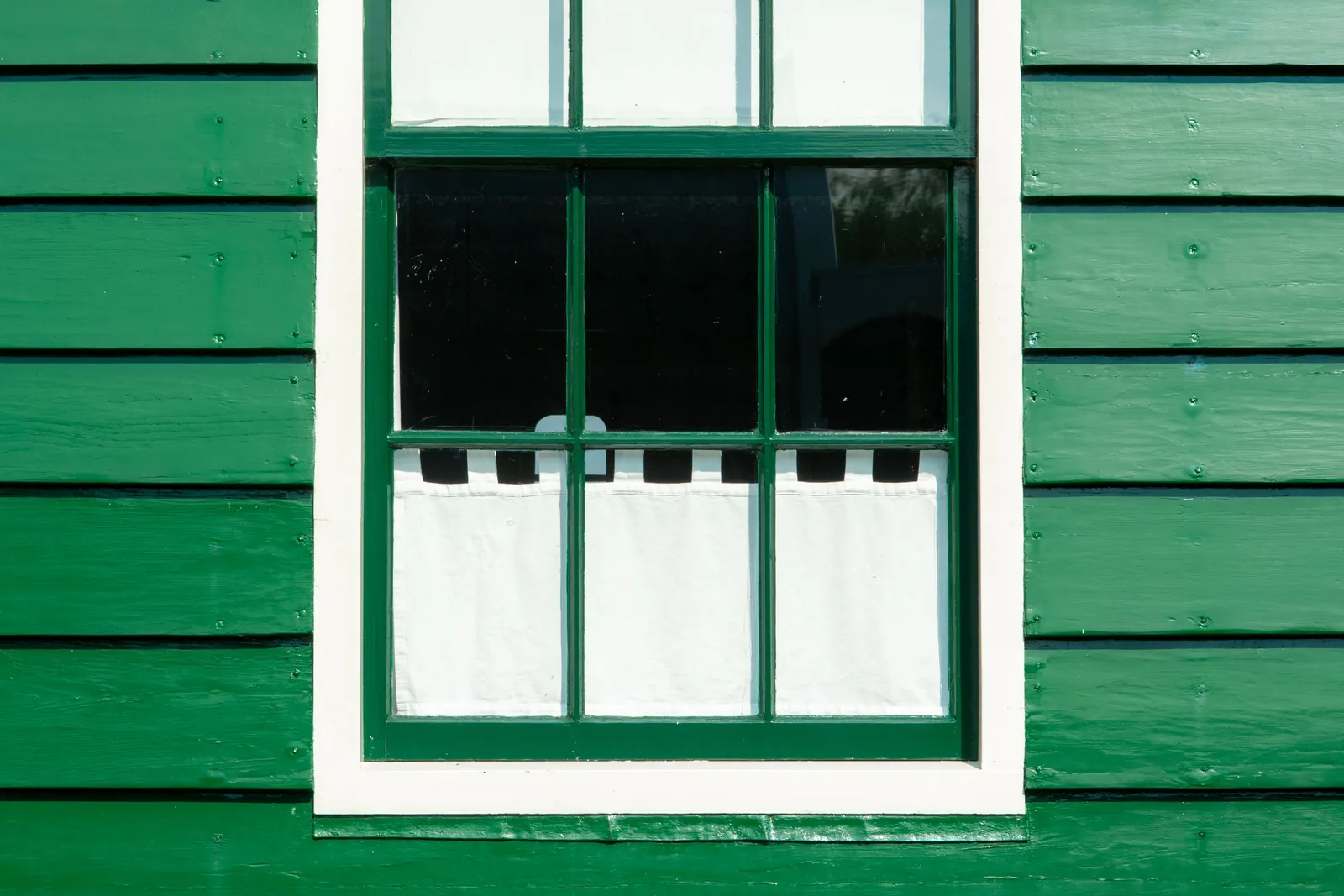
If you replace single glazing with HR++ glass or other insulating glazing, you often hear terms such as nosing slats and top slats. These slats are used to place glass neatly and safely in a frame. They are especially important for old wooden frames. The short rule is: a nose slat helps to drain water well on the outside of the frame, while a cover slat is used when the new glass is thicker than the old glass and extra finishing is required.
In this article we explain what nose slats and top slats are, when to use them, what the difference is and what you should pay attention to with insulating glass.
What are glazing beads?
To properly understand nose slats and top slats, you first need to know what glazing beads are. Glass slats are the slats around the glass that hold the window in the frame. They ensure that the glass is firmly attached and neatly finished. You can order loose glazing beads, nose slats, glazing blocks and other mounting material for glazing separately.
Glazing beads have several functions:
- They keep the window in place.
- They finish the glass edge.
- They protect the rebate.
- Together with the sealant and tape, they provide a seal.
- They make glass replacement possible.
- They help with good water drainage.
In wooden frames, glazing beads are often loosely placed wooden slats. With plastic and aluminum frames, there are usually system slats that click into the profile. Do you want to know how to replace the slats with insulating glass? Then read replacing glazing beads with insulating glass.
What is a nose bar?
A nosing slat is a special glazing bead on the outside of a wooden frame. The bar has a protruding or sloping shape. This means that rainwater drains better from the glass and frame.
You can recognize a nose slat by the sloping or protruding shape at the bottom of the glass. The name comes from the shape: the slat has, as it were, a "nose" from which water drips. Nosing slats are mainly used for wooden frames with insulating glass.
Why do you use a nose bar?
A nose slat ensures better water drainage. This is important because wood is sensitive to moisture. If water remains on the sill or against the glass edge, this can cause problems.
A nose bar helps against:
- wood rot
- open sealant seams
- moisture in the rebate
- damage to glazing beads
- leakage
- accelerated wear of paintwork
- problems with insulating glass
With HR++ glass and other insulating glass, you want to prevent moisture from remaining at the edge seal of the window for a long time. A good nose bar helps with this.
Where is a nose bar?
A nose slat is usually located on the outside of the frame, often at the bottom of the window. With wooden windows you usually see the nose slat as the bottom glazing bead. The top and side slats can be normal glazing slats, while the bottom slat is a nose slat.
The position is important: most rainwater collects at the bottom. That is why good drainage is extra important there.
What is the difference between a regular glazing bead and a nose bead?
A regular glazing bead is mainly intended to secure and finish the glass. A nose slat also does that, but also has a better water-draining shape.
| Attribute | Ordinary glazing bead | Nose slat |
|---|---|---|
| Holds glass | Yes | Yes |
| Finishes glass edge | Yes | Yes |
| Water drainage | Limited | Better |
| Shape | Straight or simple profile | Sloping/protruding profile |
| Application | Inside and outside | Especially outside |
| Often used for insulating glass | Sometimes | Yes, especially underside |
A nose slat is actually a special glazing slat with extra attention to durability and water drainage.
When do you need a nose bar?
A nose slat is especially sensible for wooden window frames on the outside. Especially when you install new insulating glass.
A nose bar is useful for:
- wooden frames
- replacement of single glazing with HR++ glass
- replace old double glazing
- renovation of window frames
- poor water drainage
- replace old putty
- moisture problems around glass
- sills that quickly remain wet
- paintwork that is easily damaged
Not every frame necessarily needs a nose slat, but it is often a good choice for wooden exterior frames.
Nosing slats for insulating glass
Nose slats for HR++ glass
HR++ glass has an edge seal. That edge must be well protected against long-term moisture exposure. If water remains at the glass edge for too long, this can cause problems in the long term. That is why the glazing around HR++ glass is important.
With HR++ glass, nose slats help with:
- better drainage
- protection of the underside
- longer lifespan of sealant seams
- less chance of wood rot
- neater finish
- more durable glazing
When renovating from single glazing to HR++ glass, old glazing beads are often replaced by new slats, including a nose bead on the outside.
Nosing slats on old wooden frames
Old wooden frames are often made for single glazing. The glass was sometimes stuck with putty or thin glazing beads. If you install thicker insulating glass, the structure will have to be adjusted.
With old wooden frames you look at:
- rebate depth
- wood rot
- condition of the sill
- old sealant or putty
- space for thicker glass
- type of glazing beads
- drainage
- painting
A nose slat can help old window frames to keep the frame in good condition for longer, especially on the outside where rainwater collects.
What is a rebated slat?
A top slat is a slat that is placed on or against the frame as an extra finish. Cover slats are often used when the new glass is thicker than the old glass and the existing rebate does not have enough space.
For example: you replace single glass from 4 mm with HR++ glass from 24 mm. The old frame was not made for that. With a cover slat you can still neatly enclose and finish the thicker glass. A cover slat is therefore mainly used to compensate for a size difference or depth difference. You can read more about this in thicker insulating glass in an existing frame.
Why do you use a cover slat?
A cover slat is used when the new glass does not fit neatly with the existing glazing beads or rebate.
A cover slat helps with:
- thicker insulating glass
- old window frames with shallow rebates
- renovation from single glazing to HR++ glass
- neat finish
- securely locking glass
- retention of existing frame
- prevent the entire frame from having to be replaced
Without a cover slat, the glass may protrude too far or be insufficiently confined. That is not neat and not technically good.
When do you need a top slat?
A cover slat is especially necessary when the new glass thickness is greater than the space for which the frame was originally made.
A cover slat may be necessary for:
- replace single glass with HR++ glass
- old wooden frame with narrow rebate
- insulating glass that does not fit completely into the rebate
- too little space for normal glazing beads
- renovation without frame replacement
- retention of existing windows
- situations where vacuum glass is not chosen
With newer window frames, a cover slat is often not necessary, because they are already suitable for thicker glass.
Difference between nose slat and cover slat
A nose slat and cover slat both have to do with glass placement, but they solve a different problem.
Rule of thumb: nose bar = water drainage on the outside; cover slat = make room for thicker glass.
| Part | Main function | Usually used for |
|---|---|---|
| Nose slat | Drain water | Outside bottom of wooden frame |
| Cover slat | Neatly lock up thicker glass | Renovation to insulating glass |
| Ordinary glazing bead | Fixing and finishing glass | Standard glazing |
The nose slat is mainly about water drainage and durability. The cover slat is mainly about making room for thicker glass.
Can you combine nose slats and overlay slats?
Yes. In some situations both are used. For example, with an old wooden frame where single glazing is replaced by HR++ glass:
- a top slat may be necessary to neatly place the thicker glass;
- a nose slat can be used on the outside underside for water drainage.
This way you combine good technical installation with better protection against moisture.
Replace glass slats
Replace cover slats on single glazing
With single glazing, the glazing beads and rebate are often narrow. HR++ glass is much thicker. That is why replacing single glazing with insulating glass is not always a matter of "old pane out, new pane in".
You need to check:
- how deep the rebate is
- how thick the new glass is
- how much space there is for glazing tape
- whether glazing beads still fit
- whether the glass protrudes
- whether the finish remains neat
- whether the frame is strong enough
If HR++ glass does not fit neatly into the existing rebate, a cover slat can offer a solution. Also view the options for replacing single glazing.
Replace cover slats on double glazing
With old double glazing there is often more space than with single glazing. However, a cover slat may sometimes be necessary, for example if the new HR++ glass is thicker than the old double glazing.
This occurs with:
- old thin double glazing
- renovation to better insulation value
- different glass structure
- addition of safety glass
- glass with ventilation grille
- old glazing beads that are not reusable
Therefore, always check the old and new glass thickness. Are you unsure about the dimensions? Then read how to measure glass.
Nosing slats and wood rot
If there is wood rot at the bottom of the frame, just replacing the glass is not enough. The wood must be restored first. You can then install new glazing beads or nose slats.
Look for signs such as:
- soft spots in wood
- black discoloration
- peeling paint
- open kit
- damp sill
- cracks in the glazing bead
- loose slats
A nose slat can help prevent new moisture problems, but does not solve existing wood rot. Rotten wood must first be removed or repaired.
What type of wood do you use for nose slats?
Nose slats are usually made of sustainable wood or modified wood. The material must be resistant to moisture and suitable for outdoor use.
It is important that the bar:
- retains its shape
- can be painted well
- suitable for outdoor use
- does not tear easily
- can be properly attached
- matches the frame
The ends of wooden slats must be properly treated. Moisture is easily absorbed there.
Do nose slats need to be painted?
Yes, wooden nose slats need to be painted properly. They are on the outside and have to endure a lot of rain, sun and temperature differences.
When painting, please note:
- primer on all sides
- extra attention to end edges
- good connection with kit
- paintable glazing sealant
- no open seams
- regular maintenance
Poor painting ensures that moisture penetrates the wood more quickly. Then even a good nose slat can still rot.
Placement of nose slats and covering slats
How are nose slats placed?
A nose bar is usually placed on the outside at the bottom of the glass. The exact installation depends on the frame and glazing method. In broad terms:
- Remove old lath or putty.
- Clean the rebate.
- Repair wood rot or damage.
- Apply glazing tape and glass blocks.
- Install glass.
- Cut the nose slat to size.
- Attach the nose bar.
- Seal with suitable glazing sealant.
- Finish painting.
The nose slat must be placed in such a way that water can drain away properly and does not remain behind the slat.
How are slats installed?
A cover slat is placed to create extra space or finish with thicker glass. The slat is placed on the frame or against the existing structure. Steps may include:
- Remove old glazing.
- Check the frame and rebate.
- Determine new glass thickness.
- Cut the slats to size.
- Place glass correctly.
- Attach slats.
- Seal connections.
- Neatly finish sealant seams.
- Repair paintwork.
A cover slat must be firmly attached and fit neatly to the frame. Otherwise moisture may get behind or the glass may not be properly sealed.
Does a rebated slat affect the appearance?
Yes, that's possible. A cover slat lies on or against the frame and can change the appearance. With some window frames this is hardly noticeable. With other window frames the profile becomes visibly thicker.
Therefore please note:
- interior view
- outside view
- proportion of the frame
- color of the bar
- painting
- connection to existing details
- monumental appearance
You must be extra careful with characteristic or monumental window frames. Sometimes vacuum glass is a better solution, because it is thinner and requires less adjustment.
Top slat or vacuum glass?
If HR++ glass is too thick for your old frame, you often have two options:
- HR++ Install glass with cover slats.
- Select vacuum glass which is thinner.
Which option is better depends on your situation.
| Situation | Possible choice |
|---|---|
| Budget important | HR++ glass with cover slats |
| Appearance must be preserved | Vacuum glass |
| Frame may be adjusted | Top slats possible |
| Narrow monumental window frames | Vacuum glass often better |
| Maximum insulation with thin glass | Vacuum glass |
| Standard renovation | HR++ glass with adapted slats |
Cover slats are therefore practical, but vacuum glass can be more attractive if you want to preserve the original frame appearance. Are you unsure about an old building? Then read monument glass or vacuum glass.
Glazing and finishing
Nostrils and ventilation
With wooden frames it is important that moisture does not become trapped. A good nose slat helps drain water, but the rest of the glazing must also be correct. NB:
- correct glass blocks
- correct glazing band
- good sealant seams
- sufficient drainage
- no open seams
- no trapped moisture
- good painting
A nose slat only works well if the entire glazing system is properly constructed.
Which kit do you use for nose slats and overlay slats?
Use suitable glazing sealant. It must match glass, wood and outdoor use. Good glazing sealant is:
- elastic
- weather resistant
- suitable for insulating glass
- good adhesion
- UV resistant
- can be painted over when necessary
Do not use regular acrylic sealant outdoors. It is not suitable for long-term moisture exposure. Don't just use silicone sealant if you want to paint the slats later. You can read more about this in which kit do you use for what.
Do it yourself or outsource?
Can you replace nose slats yourself?
A handy handyman can sometimes replace simple glazing bars or nose bars themselves. Still, you have to be careful, especially with insulating glass. Risks are:
- damage glass
- using wrong kit
- insufficient sealing
- tension the window
- poor water drainage
- wood rot not repaired properly
- Attach glazing beads incorrectly
For new HR++ glass, vacuum glass or large panes, professional installation is usually more sensible.
Common mistakes
- Skip the nose slat for wooden exterior frames — without good water drainage, the underside remains vulnerable to moisture.
- Use cover slats without looking at the appearance — a cover slat can change the frame appearance.
- Hide wood rot with new slats — rotten wood must be repaired first.
- Using the wrong sealant — not every sealant is suitable for glazing or outdoor use.
- Do not treat end edges — end edges absorb moisture quickly and must be properly painted.
- HR++ forcing glass into a rebate that is too narrow — if the glass does not fit properly, installation problems will arise.
- Forgot water drainage — the slat should be positioned so that water can drain, not remain.
Selection aid: which bar do you need?
| Situation | Most logical solution |
|---|---|
| Wooden frame, outside bottom | Nose slat |
| Replace single glass with HR++ glass | Possibly covering slat required |
| Poor water drainage | Nose slat |
| Shallow rebate | Covered slat or vacuum glass |
| Monumental frame | Be careful with the top slat |
| Frame with wood rot | Restore first |
| New insulating glass in old frame | Assess glazing beads |
| Existing slats are rotten | Replace |
| HR++ does not fit neatly | Choose rebated slat or other glass |
Checklist before installing nose slats or covering slats
- Is the frame made of wood, plastic or aluminum?
- Does the glass become thicker than before?
- Is the rebate deep enough?
- Are the old glazing beads still good?
- Is there wood rot?
- Is the underside well protected against rain?
- Is a nose slat necessary for water drainage?
- Is a cover slat necessary due to the glass thickness?
- Does the cover slat change the appearance?
- Is vacuum glass perhaps more beautiful or smarter?
- Which kit is used?
- Are end edges treated properly?
- Is everything neatly painted?
- Can moisture escape well?
Conclusion
Nosing slats and covering slats are often used when replacing glass in wooden frames. A nose slat mainly ensures better water drainage on the outside. This helps to prevent wood rot, open sealant seams and moisture problems. A cover slat is used when new glass is thicker than the old glass and the existing rebate does not provide enough space.
When replacing single glazing with HR++ glazing, rebated slats are sometimes necessary. A nose slat is often wise for wooden exterior frames, especially at the bottom of the glass. However, you should always look at the entire frame: rebate depth, wood rot, glass thickness, finish, sealant and water drainage. So choose not only the right glass, but also the right finish around it.
Read more and get started:
- Assemble insulating glass — HR++ and HR+++ glass for your renovation
- Vacuum glass — thin insulating glass for narrow and monumental frames
- Glass beads and mounting material — view the full range of glass items
- Thicker insulating glass in an existing frame
- Replace glazing beads for insulating glass
Do you know which glass you need? Create your window via custom glass and order easily online.