
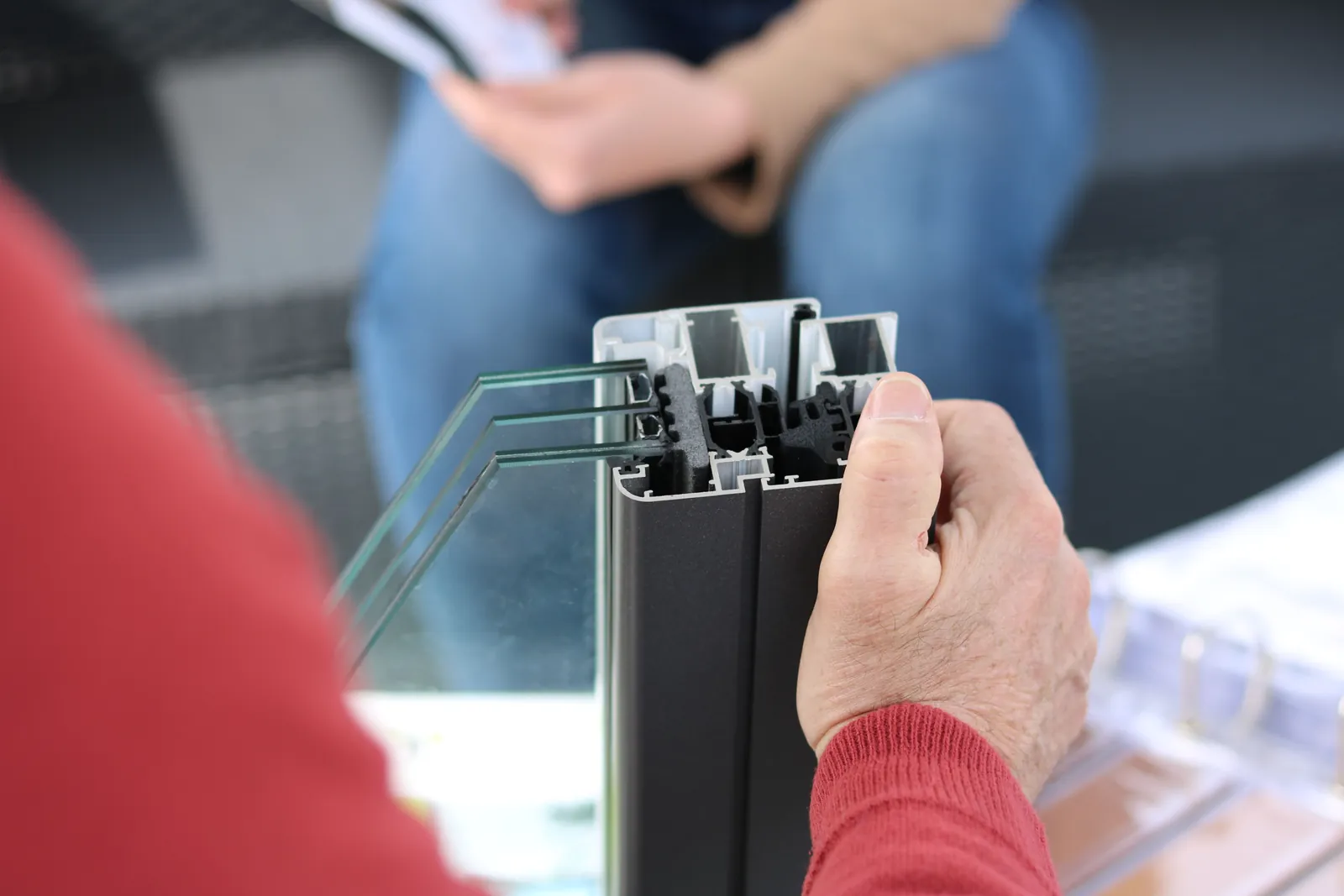
Triple glazing insulates better than HR++ glass and is often seen as the best choice for an energy-efficient home. However, triple glazing is not always the smartest solution. It is thicker, heavier and more expensive than HR++ glass, and does not always fit in existing window frames. The short rule is: choose triple glazing, especially for new window frames, new construction or a very well-insulated home. For existing window frames, HR++ glass or vacuum glass is often more practical.
In this article we explain what triple glazing is, how well it insulates, when to choose it, when not to, and what alternatives there are.
What is triple glazing?
Triple glass is insulating glass that consists of three panes of glass with two insulating cavities in between. That is why it is also called triple glazing or HR+++ glazing. The cavities are usually filled with noble gas, such as argon or krypton. In addition, one or more glass plates have a heat-reflecting coating that retains heat better.
Triple glass usually consists of:
- an outside window
- a first insulating cavity
- a middle diamond
- a second insulating cavity
- an inner window
- one or more coatings
- spacers on the edges
Due to this structure, triple glazing insulates better than standard double glazing and usually also better than HR++ glass.
How well does triple glazing insulate?
Triple glass has a very low U-value. The U-value indicates how much heat is lost through the glass. The lower, the better. For comparison:
| Type of glass | Insulation |
|---|---|
| Single glazing | Bad |
| Old double glazing | Moderate |
| HR++ glass | Good |
| Triple glass | Very good |
| Vacuum glass | Very good |
Triple glass keeps heat in excellently. You will especially notice the difference in:
- less cold fall at windows
- less draft feeling
- higher internal temperature near the glass
- lower heat demand
- more comfort in winter
Would you like to know what a certain glass structure means for your home? Calculate it with the U-value calculator.
What is the difference between HR++ glass and triple glass?
HR++ glass consists of two panes of glass with one insulating cavity. Triple glass consists of three panes of glass with two cavities. This means that triple insulates better, but it also has disadvantages.
| Attribute | HR++ glass | Triple glass |
|---|---|---|
| Number of glass plates | 2 | 3 |
| Number of cavities | 1 | 2 |
| Insulation | Good | Very good |
| Thickness | Often 24–28 mm | Often 36–42 mm |
| Weight | Lower | Higher |
| Fits in existing window frames | Often yes | Often not |
| Price | Lower | Higher |
| Best Application | Renovation | New construction or new window frames |
For many renovations, HR++ glass is therefore the most practical choice. Read more about what exactly HR++ glass is, or immediately put together HR++ double glazing.
When do you choose triple glazing?
Triple glazing is especially smart when your home is well insulated as a whole. The glass works best when the rest of the building envelope is also at the same level. Triple glass is a good choice for:
- new construction
- new window frames
- passive houses
- energy-neutral homes
- BENG homes
- large glass areas
- underfloor heating or low-temperature heating
- homes with high insulation requirements
- facades where comfort is extra important
If you do install new window frames, triple glazing is often worth considering.
When is triple glazing less sensible?
Triple glass is less suitable when:
- you want to keep existing window frames
- the rebate is too shallow
- the frame is old or weak
- the window can rotate or open
- the batter is not strong enough
- your home is otherwise moderately insulated
- the budget is limited
- HR++ glass already provides sufficient improvement
- vacuum glass fits better due to limited space
A common mistake is that people only look at the insulation value. But glass must also fit, be able to be mounted safely and technically match the frame.
Does triple glazing fit in existing window frames?
Triple glazing does not fit well in many existing window frames. This is mainly due to the thickness and weight. Triple glass is often about 36 to 42 mm thick. Many older window frames are made for single glazing or thin double glazing — there is not enough space.
For existing window frames you must check:
- the rebate depth
- space for glazing tape
- space for glazing beads
- total glass thickness
- weight of the window
- condition of the frame
- strength of hinges
- locks for rotating windows
Does the glass just not fit? Then you can sometimes work with adapted glazing beads, but with triple glazing this often becomes difficult. The glazing beads become thicker and the appearance changes. Moreover, weight remains a problem. You can read more about this in thicker insulating glass in an existing frame.
Why is triple glazing so heavy?
Triple glass has three panes of glass. Glass weighs on average approximately 2.5 kilos per square meter per millimeter of glass thickness. A window with three panes of glass made of 12 mm glass therefore weighs approximately 12 × 2.5 = 30 kg per m². This increases quickly with larger windows.
| Diamond size | Estimated weight triple glass |
|---|---|
| 100 × 100 cm | about 30 kg |
| 150 × 100 cm | about 45 kg |
| 200 × 100 cm | about 60 kg |
| 200 × 150 cm | about 90 kg |
This is often still possible for fixed windows. For revolving windows, doors or sliding doors you must carefully check whether the fittings and the frame can handle the weight.
What happens if the frame is too weak?
If a frame or window part is not suitable for triple glazing, problems can arise. Consider:
- windows that droop
- doors that are difficult to close
- hinges that wear out faster
- glazing beads that do not fit properly
- tension on the window
- deformation of wooden parts
- leakage around sealant seams
- damage to the frame
Triple glazing is therefore not a simple "upgrade" that you simply place in any existing frame. The entire system must be suitable.
Triple glazing on new window frames
Triple glazing makes much more sense for new window frames. You can then immediately opt for frames that are designed for thicker and heavier glass. That has advantages:
- sufficient rebate depth
- stronger batter
- better gap sealing
- better overall insulation
- neat finish
- less chance of mounting problems
- higher energy performance
Please note: a good frame is just as important as the glass. Triple glazing in a poorly insulated frame yields less than you expect. Are you sure triple glazing will fit? Then put together your triple glazing with the desired structure.
Triple glazing in old houses
In old homes, triple glazing is not always the best choice. Many older homes have:
- narrower frames
- shallow rebates
- less strong batter
- wooden windows that already work somewhat
- ventilation through cracks
- moderate facade insulation
- characteristic appearance that you want to maintain
If you only insulate the glass extremely well, but the rest of the home remains moderately insulated, the effect will be more limited. These options are often better for old homes:
- HR++ glass with sufficient space
- vacuum glass for narrow window frames
- monumental glass while maintaining appearance
- new frames with triple glazing during complete renovation
Triple glass or vacuum glass?
Triple glass and vacuum glass both insulate very well, but they are intended for different situations.
| Attribute | Triple glass | Vacuum glass |
|---|---|---|
| Thickness | Often 36–42 mm | Often 8–12 mm |
| Weight | High | Lower |
| Insulation | Very good | Very good |
| Fits in old window frames | Often not | Often yes |
| Appearance | Thicker glass structure | Slimmer |
| Price | High | High |
| Best Application | New window frames | Renovation and monuments |
Choose triple glazing, especially if you are installing new window frames. Choose vacuum glass if you want to keep existing narrow window frames.
Triple glass or HR++ glass?
For many existing homes, HR++ glass is the best balance between price, insulation and applicability.
| Situation | Best choice |
|---|---|
| Existing frame with enough space | HR++ glass |
| New frame | Consider triple glazing |
| Limited budget | HR++ glass |
| Maximum insulation | Triple glass |
| Narrow old window frames | Vacuum glass |
| Complete renovation | Triple glass or vacuum glass |
| Quickly become more sustainable | HR++ glass |
So HR++ glass is not "worse" in every situation; it is often just more practical.
Does triple glazing increase living comfort?
Yes, triple glazing can significantly improve living comfort. Especially with large windows, you will notice that the inside of the glass remains warmer. That ensures:
- less cold
- less draft feeling
- more constant temperature
- more comfortable sitting near windows
- less heat loss
- possibly less noise from outside
The comfort benefit is especially great in homes that are also well insulated.
Does triple glazing help against noise?
Triple glazing can reduce noise, but it is not automatically the best choice for soundproofing. Sound insulation depends on:
- glass thicknesses
- difference between layers of glass
- cavity widths
- layered films
- gap sealing
- frame quality
- ventilation grilles
Sometimes special sound-resistant glass is better than standard triple glass. If you want less traffic noise, do not choose based on insulation value alone, but ask for a sound-insulating glass structure.
Do you receive a subsidy for triple glazing?
Triple glazing may be eligible for a subsidy if it meets the conditions. There are often requirements for the U-value, the minimum surface and professional installation. With triple glazing it is also important whether you install new window frames: in many cases the higher subsidy amount is associated with triple glazing in combination with new insulating window frames.
Always check the current subsidy conditions before ordering — rules and amounts may change. You can read more about this in ISDE subsidy for insulating glass.
Does triple glazing have any disadvantages?
Yes. Disadvantages of triple glass:
- more expensive than HR++ glass
- thicker
- heavier
- often does not fit into existing window frames
- may require stronger batter
- assembly is heavier
- not always necessary for moderately insulated homes
- ventilation must be properly arranged
That is why triple glazing is especially interesting if it fits within a complete insulation plan.
Common mistakes with triple glazing
- Thinking that triple glazing is always the best choice. The best insulation value does not automatically mean the best solution; the frame and the house must match.
- Do not check existing window frames. Triple glazing is thick and heavy; always check rebate depth, glazing beads and fittings.
- HR++ underestimate glass. HR++ glass is a huge improvement for many renovations and is often more practical.
- Do not take ventilation into account. A better insulated home must still ventilate well.
- Only look at subsidies. Subsidies are nice, but the technical solution must also be right.
- Confuse sound insulation with thermal insulation. Triple glazing insulates heat well, but sound may require a special glass construction.
Checklist: is triple glazing suitable for your home?
- Are you installing new window frames?
- Is your home well insulated?
- Is maximum insulation important?
- Are the frames suitable for thick glass?
- Can hinges and fittings support the weight?
- Is there sufficient ventilation?
- Is the budget available?
- Do you want to apply for a subsidy?
- Could HR++ glass be sufficient?
- Is vacuum glass better due to limited space?
Do you mainly answer "yes" to new window frames, good insulation and maximum energy performance? Then triple glazing is probably interesting. Do you want to keep existing window frames? Then first look at HR++ glass or vacuum glass.
Rule of thumb: triple glazing is part of new window frames. If you want to keep your existing frame, choose HR++ glass or vacuum glass.
Conclusion
Triple glazing is an excellent choice for new window frames, new construction and very well-insulated homes. It insulates very well, increases living comfort and helps to greatly reduce heat loss through windows.
However, triple glazing is not always the smartest choice. In existing window frames it is often too thick and too heavy. For many renovations, HR++ glass is more practical and affordable. For old or narrow window frames, vacuum glass can be the best solution.
So don't choose triple glazing just because it insulates "the best". Look at the whole picture: frame, thickness, weight, home insulation, ventilation, subsidy and budget.
Read also:
- HR++ glass — what is it?
- Thicker insulating glass in an existing frame
- ISDE subsidy for insulating glass
- Measure glass correctly
- Toughened or laminated glass?
Ready to order? Compose your triple glazing, view all the insulating glass in our shop or first calculate your U-value.