
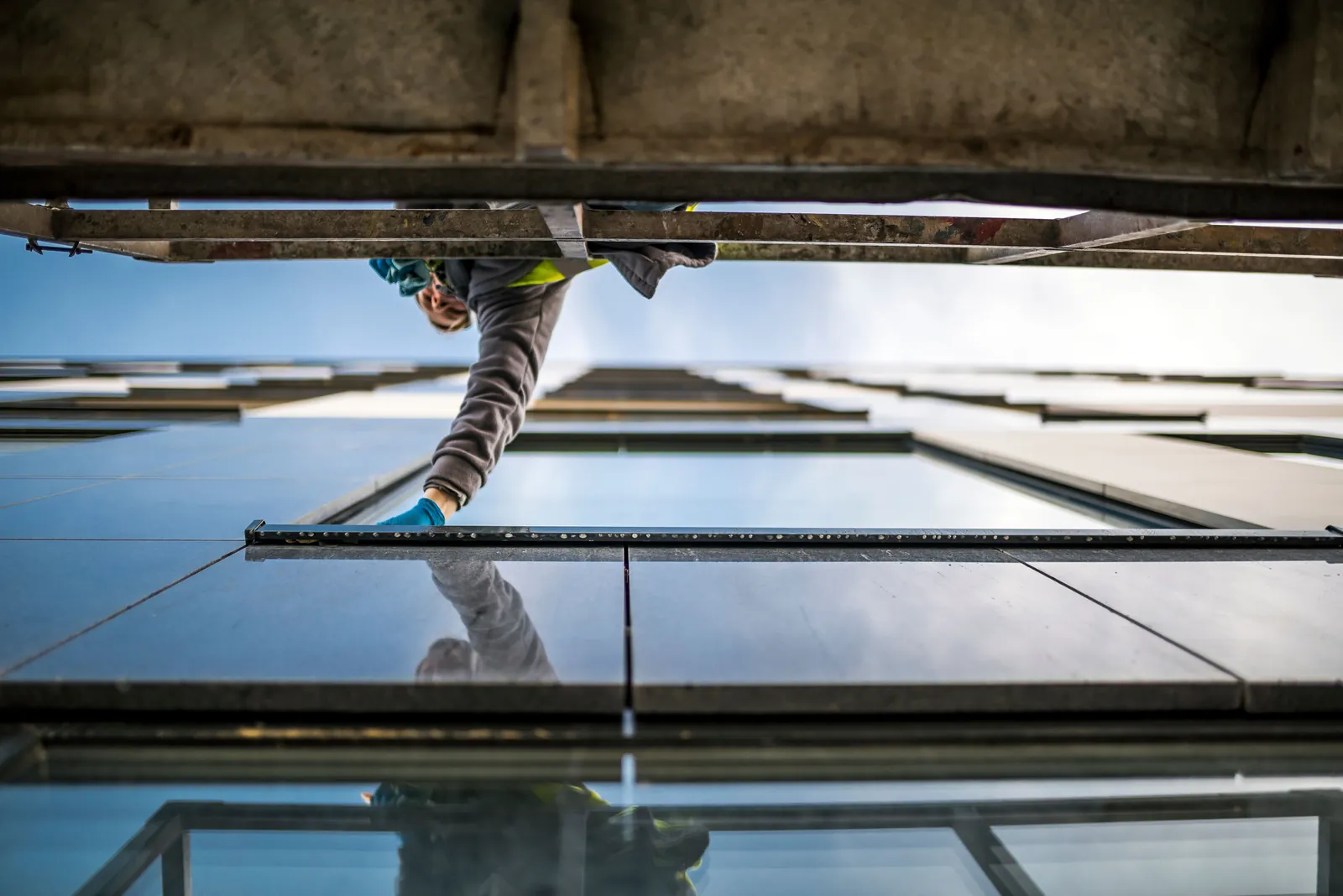
Double glazing lasts a long time, but not forever. Many homes still have old double glazing that now insulates less well than modern HR++ glass, triple glazing or vacuum glass. Sometimes the window is even leaking, causing condensation or haze to form between the glass plates. The short rule is: Replace double glazing if it is leaking, has poor insulation, emits a lot of cold or if you want to make your home more sustainable. In many cases, HR++ glass is the most practical replacement.
In this article we explain when it is wise to replace double glazing, how to recognize old or leaky double glazing and which type of glass is best to choose.
Rule of thumb: If your double glazing is leaking or has poor insulation, replacing it is the only sustainable solution. HR++ glass is usually the first choice.
What is double glazing?
Double glazing consists of two panes of glass with a space between them. That space is called the cavity. With old double glazing there is usually normal air in the cavity. The two glass plates are closed all around with an edge seal. Double glazing insulates better than single glazing, because the air layer between the glass plates slows down heat loss.
Yet old double glazing is much less good than modern insulating glass. Modern variants, such as HR++ glass, have:
- a better coating
- often argon gas in the cavity
- better spacers
- better insulation value
- less heat loss
That is why replacing double glazing can still yield a lot, even if you no longer have any glazing.
Is old double glazing the same as HR++ glass?
No. This is a common confusion. Old double glazing and HR++ glass both consist of two panes of glass, but the insulating effect is different.
| Attribute | Old double glazing | HR++ glass |
|---|---|---|
| Number of glass plates | 2 | 2 |
| Cavity filling | Often air | Often argon gas |
| Coating | Usually no | Yes |
| Insulation | Moderate | Good |
| Comfort | Reasonable | Much better |
| Condensation inside | More common | Slower |
| Subsidy possible | Usually not | Often yes |
HR++ glass is actually modern double glazing with a much better insulating effect. You can read more about this in what is HR++ glass. Do you want to see the difference in insulation value in black-on-white? Calculate it with the U-value calculator.
When should you replace double glazing?
Replacing double glazing is wise when the glass is technically outdated or no longer performs well. Common reasons include:
- condensation between the glass plates
- permanent haze in the glass
- leaky double glazing
- cold fall at windows
- draft feeling
- high energy costs
- poor sound insulation
- old spacers
- poorly closing windows
- renovation of window frames
- making the home more sustainable
You do not always have to replace double glazing immediately if it is still clear and good. But if you are working with window frames, it is often smart to take the glass with you immediately.
How do you recognize old double glazing?
You can often recognize old double glazing by the aluminum spacer between the glass plates. That is the metal edge that you see on the side of the window. Signs that you have old double glazing:
- the window is older than 20 years
- there is no coating on the glass
- the glass feels cold
- condensation quickly forms on the inside
- you feel cold at the window
- the spacer is wide and aluminum colored
- there is an old production date in the edge
- the insulation value is unknown
With HR++ glass you sometimes also see a spacer, but the window has a coating and a better insulating structure.
How do you know if double glazing is leaking?
Double glazing is leaking when the edge seal no longer works properly. This causes moist air to enter the cavity between the glass plates. You can recognize leaking double glazing by:
- condensation between the glass plates
- a white or gray haze
- moisture that you cannot wipe away
- chalky spots in the glass
- drops in the cavity
- glass that remains cloudy
- dirt that appears to be behind the glass
The most important test is simple: clean the inside and outside of the window. Does the haze remain visible? Then the problem is probably between the glass panes. You can read more detailed recognition and steps in recognizing and replacing leaking double glazing.
Condensation on double glazing: does it always leak?
No. Condensation does not always mean that your double glazing is leaking. The location of the condensation determines what is going on.
| Where is the condensation? | Meaning |
|---|---|
| Inside of the window | Often too much moisture or too little ventilation |
| Exterior of the window | Often a sign of good insulating glass |
| Between the glass plates | Probably leaking double glazing |
You can wipe away condensation on the inside. Condensation on the outside usually disappears on its own. You cannot reach condensation between the glass panes and usually indicates a leaky window. You can find more information in condensation on windows: inside, outside or between the glass.
Can you repair leaking double glazing?
In practice, leaking double glazing cannot be permanently repaired. The edge seal is damaged, causing moisture to continue to enter the cavity. Sometimes temporary methods are mentioned, such as drilling holes or removing moisture. But that doesn't really restore the insulation value. The window remains technically leaky.
The best solution is therefore: replace the leaking window. When replacing, you can immediately opt for better glass, such as HR++ glass or vacuum glass.
Do you have to replace the entire frame?
Not always. Often you can only replace the double glazing and keep the existing frame. This is possible when:
- the frame is still sturdy
- there is no wood rot
- the rebate is deep enough
- glazing beads can be replaced
- the window can support the weight
- the sealant seams can be properly renewed
You must check the frame carefully. Installing new glass in a bad frame is not a sustainable solution. Frame replacement is wiser when:
- there is wood rot
- the frame closes poorly
- there are many cracks
- the frame itself is poorly insulated
- the rebate is too shallow
- you want to install triple glazing
- you still completely renovate
Replace double glazing with HR++ glass
HR++ glass is the most logical replacement for old double glazing for most homes. It often fits into existing window frames and insulates much better. Advantages of HR++ glass:
- better insulation
- less heat loss
- more living comfort
- less cold
- less condensation on the inside
- often fits into existing window frames
- good value for money
- possible subsidy
If your old double glazing is leaking or has poor insulation, HR++ glass is usually the first choice. View the range at insulating glass or assemble your window directly at assemble insulating glass.
Does HR++ glass fit in my existing frame?
Often yes, especially if there is already double glazing in the frame. But always check the total thickness. HR++ glass is usually about 24 to 28 mm thick. Old double glazing can be thinner. Therefore you should pay attention to:
- rebate depth
- glazing beads
- rubbers
- kit room
- glazing tape
- weight
- rotating parts
- condition of the frame
Adjustments are often possible with wooden frames. With plastic and aluminum frames you are dependent on the profile and the available glazing beads. See also thicker insulating glass in an existing frame.
Double glazing replaced by vacuum glass
Vacuum glass is a good alternative when HR++ glass is too thick or when you want to keep existing window frames without major adjustments. Vacuum glass is thinner than HR++ glass and still insulates very well. Vacuum glass is interesting for:
- old wooden frames
- narrow rebates
- monumental homes
- characteristic window frames
- situations where HR++ glass does not fit
- preservation of existing appearance
- high insulation requirements without thick glass
The disadvantage is that vacuum glass is more expensive than HR++ glass. But if this means you don't need new window frames, it can still be interesting. Are you unsure between the two? Then read vacuum glass vs HR++ glass.
Replace double glazing with triple glazing
Triple glass insulates very well, but is thick and heavy. That is why it is especially suitable for new window frames. Triple glass is interesting for:
- new window frames
- new construction
- complete renovation
- very well insulated homes
- low temperature heating
- maximum energy performance
Triple glazing is often less practical in existing window frames. It does not always fit and may be too heavy for rotating parts. Do you want to keep existing window frames? Then HR++ glass or vacuum glass usually makes more sense. More about this in triple glass: when and when not, or put it together at composing triple glass.
Replace double glazing with sound-insulating glass
Sometimes you not only want better insulation, but also less noise from outside. Then you can opt for sound-resistant insulating glass. Soundproof glass helps with:
- traffic noise
- railways
- air traffic
- busy streets
- catering establishments nearby
- city noise
- neighbors or outside noises
Please note: thermal insulation and sound insulation are not the same. A standard HR++ window insulates heat well, but is not automatically the best choice against noise. For sound are especially important:
- different glass thicknesses
- layered foil
- gap sealing
- frame quality
- ventilation grilles
- assembly
Double glazing replaced by safety glass
In some places you also have to look at safety when replacing. Safety glass is wise for:
- low windows
- windows to the floor
- glass next to doors
- front doors
- children's rooms
- stairwells
- balustrades
- roof glazing
- situations with a risk of falling through
HR++ glass is not automatically safety glass. Do you want insulation and safety? Then you choose HR++ glass with a layered or toughened structure. View the options at safety glass.
Replace double glazing with ventilation grille
If you replace old double glazing with better insulating glass, your home will become more dense. This makes ventilation extra important. A ventilation grille can help with:
- fresh air supply
- less condensation
- better air quality
- fewer moisture problems
- prevention of mold
- supply for mechanical ventilation
A ventilation grille can be wise, especially in bedrooms, living rooms and kitchens. Please note: You must include a ventilation grille in your glass measurements in advance. The window becomes lower because the grille takes up space. More about this in ventilation grille in glass and the range at ventilation grilles.
How do you measure double glazing for replacement?
It is preferable not to just measure the old window. Measure the rebate of the frame or have this done professionally. Important to measure:
- width top, middle and bottom
- height left, middle and right
- smallest size as a starting point
- rebate depth
- current glass thickness
- space for glazing beads
- any glass deduction for grilles
- direction of rotation or rotating part
- condition of the frame
Always measure in millimeters. Just a few millimeters can be important with glass. You can find a step-by-step plan in measuring glass.
How is double glazing replaced?
Replacing double glazing usually involves these steps:
- Remove old glazing beads or rubbers.
- Carefully remove the old window.
- Clean the frame.
- Kitresten en oud beglazingsmateriaal verwijderen.
- Check the frame for damage or wood rot.
- Place glass blocks and glazing tape.
- Install new window.
- Install glazing beads.
- Seal with suitable glazing sealant.
- Controle op aansluiting, afwatering en spanning.
Proper installation is important. Poor installation can shorten the lifespan of insulating glass. You can order new glazing beads, glazing tape, glass blocks and kit from glass articles.
Can you replace double glazing yourself?
For small windows, a handy handyman can replace glass, but for insulating glass, professional installation is usually more sensible. Reasons:
- insulating glass is heavy
- the size must be exactly correct
- edges are fragile
- the window must be installed without tension
- wrong kit can cause problems
- subsidy usually only applies to professional placement
- Assembly errors can cause leaking glass
Do you want to apply for a subsidy? The installation must then usually be carried out by a construction or installation company.
Can you get a subsidy for replacing double glazing?
If you replace old double glazing with HR++ glass, triple glazing or vacuum glazing, you may be able to receive a subsidy. Conditions apply such as:
- minimum surface area
- correct insulation value
- professional installation
- invoice and proof of payment
- reporting code
- application within the correct period
Always check the current subsidy conditions before ordering. Rules and amounts are subject to change. More information can be found in ISDE subsidy for insulating glass.
When is replacing double glazing most interesting?
Replacing double glazing is especially interesting if you are already involved in maintenance or sustainability. Good moments are:
- when painting window frames
- for wood rot repair
- during renovation
- in case of leakage or condensation between glass
- when selling or purchasing a home
- in sustainability plans
- when applying for a subsidy
- when replacing glazing beads
- for comfort complaints
If the glazing beads and sealant have to be removed, it is often efficient to upgrade the glass immediately.
Common mistakes when replacing double glazing
- Thinking that old double glazing is still good enough — old double glazing is often much less insulating than HR++ glass.
- Try to repair leaky glass — you cannot permanently repair a leaky window; replacement is better.
- Only replace glass without checking the frame — wood rot, bad sealant seams or moisture problems must be solved first.
- Forgot glass thickness — new HR++ glass may be thicker than old double glazing.
- Don't control ventilation — better glass without ventilation can cause condensation problems.
- Forgot safety glass — safety is important for low windows and doors.
- View grant conditions afterwards — check in advance whether the glass and installation comply.
Selection aid: what do you replace double glazing with?
| Situation | Best choice |
|---|---|
| Old double glazing in normal frame | HR++ glass |
| Leaky double glazing | HR++ glass |
| Narrow old window frames | Vacuum glass |
| New window frames | Consider triple glazing |
| Lots of outside noise | Soundproof insulating glass |
| Low windows or doors | Laminated insulating glass |
| Condensation problems inside | HR++ glass + ventilation |
| Monumental house | Vacuum glass or monument glass |
| Limited budget | HR++ glass |
| Maximum insulation | Triple or vacuum glass |
Checklist before replacing double glazing
- Is the double glazing leaking?
- Do you see moisture between the glass plates?
- Is the glass older than 20 years?
- Do you feel cold at the window?
- Is the frame in good condition?
- Is there wood rot?
- What is the current glass thickness?
- Does HR++ glass fit?
- Is vacuum glass necessary due to limited space?
- Do you want ventilation grilles?
- Is safety glass necessary?
- Do you want soundproof glass?
- Do you want to apply for a subsidy?
- Is the glass professionally installed?
Conclusion
Replacing double glazing is wise if the glass is leaking, has poor insulation or no longer suits your comfort needs. Old double glazing in particular performs much less well than modern HR++ glass. In many cases you do not have to replace the entire frame. If the frame is still good and has sufficient space, you can replace the window with HR++ glass. Vacuum glass may be a better solution for narrow old window frames. Are you installing new window frames? Then you can consider triple glazing. Always check the condition of the frame, glass thickness, ventilation and any safety requirements.
Read more about what is HR++ glass, vacuum glass vs HR++ glass, recognizing and replacing leaking double glazing and the options for replacing single glazing. Are you going to order? Determine your size with custom glass or immediately view all insulating glass.