
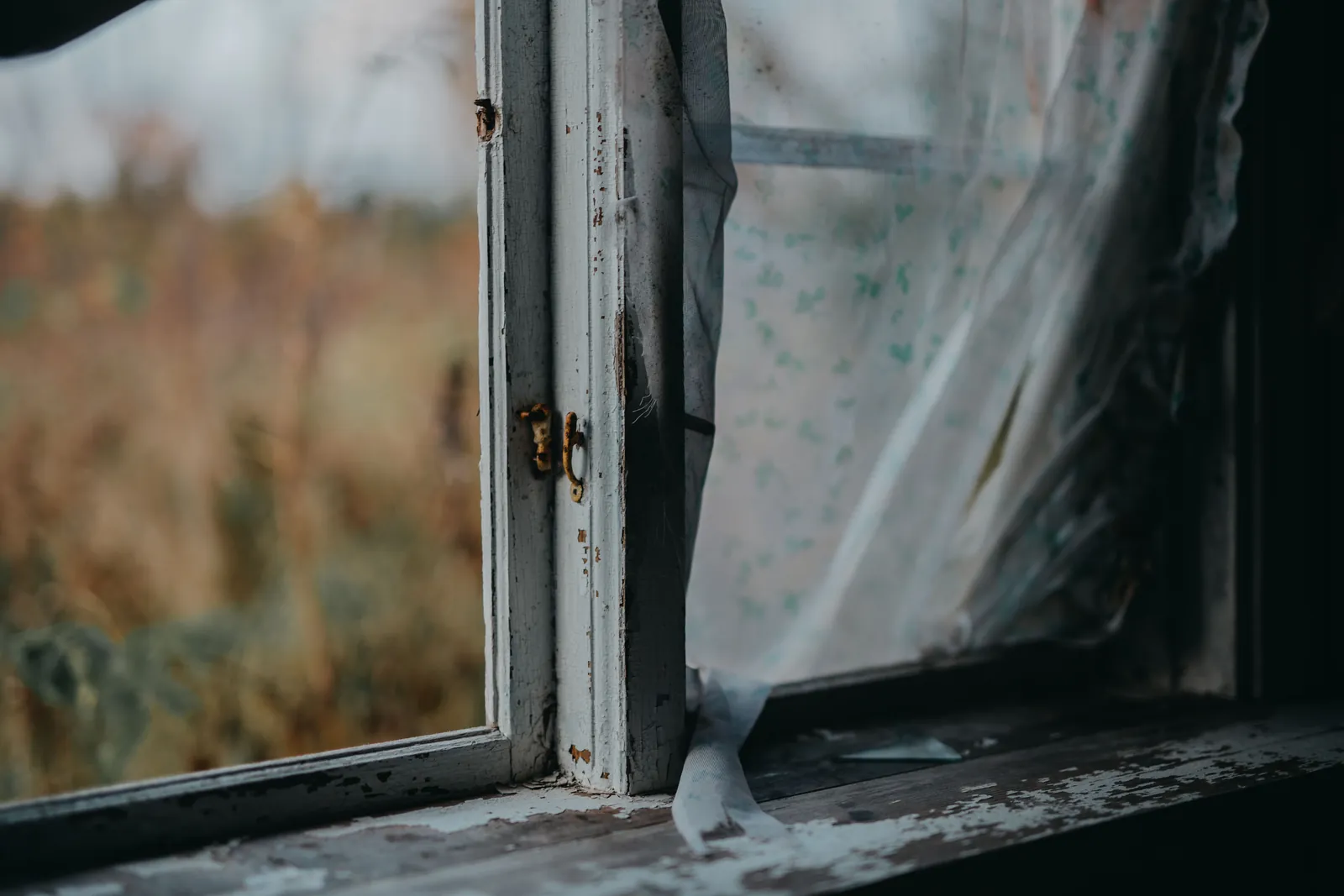
Wood rot around windows is almost always caused by moisture. Sometimes the cause is poor painting, but very often the glazing also plays a role: bad sealant seams, outdated glazing beads, leaking double glazing, stagnant water in the rebate or incorrectly placed glass.
The short rule: wood rot due to glazing usually occurs when moisture remains in or around the frame for a long time. Therefore, check sealant, glazing beads, nose slats, ventilation, painting and the connection of the glass. In this article you can read how bad glazing causes wood rot, how to recognize it and when repair or replacement is wise.
What is wood rot?
Wood rot is damage to wood by fungi. These fungi grow when wood remains moist for a long time. Dry wood does not simply rot; moisture is therefore almost always the main cause.
Wood rot occurs more quickly with:
- damaged paintwork
- bad sealant seams
- outdated glazing beads
- leakage
- standing water
- poor ventilation
- open seams
- wood that cannot dry properly
- incorrectly placed glass
- poor connection between glass and frame
In windows you often see wood rot at the bottom of the frame, near glazing beads, sills and corners.
Rule of thumb: dry wood does not rot — always tackle the moisture source first, not just the rotten part.
How can glazing cause wood rot?
Of course, glazing itself does not rot, but the connection between glass and frame can cause moisture problems. If water gets behind glazing beads, sealant or rubbers, the wood can remain wet for a long time.
Common causes:
- sealant that comes loose
- cracks in sealant seams
- glazing beads that fit poorly
- wood rot under glazing beads
- no good drainage
- wrong glass cubes
- water in the rebate
- poor painting around glass
- old putty
- leaking insulating glass
- condensation that runs on wood every day
If moisture cannot escape, wood rot will eventually occur.
Where does wood rot usually occur around windows?
Wood rot often occurs in places where water remains or is difficult to drain. Vulnerable places are:
- sill
- corners of the frame
- underside of glazing beads
- connection between glazing bead and frame
- bottom of rotating windows
- seams around the glass
- areas with damaged paint
- connection between frame and wall
- old putty edges
- places under ventilation grilles
The bottom of the window in particular has to deal with a lot of moisture: rainwater runs down and remains there more quickly.
How do you recognize wood rot?
Wood rot sometimes starts inconspicuously. The paint may still look reasonable, while the wood underneath is already soft. Good checking is therefore important.
Signs of wood rot:
- soft spots in the wood
- peeling paint
- cracks in paintwork
- dark discoloration
- damp spots
- wood that feels spongy
- glazing beads that are loose
- sealant that comes loose
- musty smell
- wood that crumbles
- a screwdriver that easily penetrates the wood
A simple test: press gently with a screwdriver. Does it sink into the wood easily? Then there is probably wood rot.
Wood rot due to poor sealant seams
Seams protect the connection between glass and frame against water. As caulk ages, shrinks, cracks or peels, moisture can get behind it.
You can recognize a bad kit by:
- cracks
- loose edges
- open seams
- hard or friable sealant
- discoloration
- moisture behind the sealant
- draft along the glass
- loose glazing beads
If sealant no longer adheres well, you should not simply over-apply it. Old bad sealant must be removed before new sealant is applied. Kit, a kit remover or knife, glazing beads and glazing blocks and the associated tools can be found in our glass articles. Choose the right product — you can read which kit is suitable for what in which kit do you use for what.
Wood rot due to bad glazing beads
Glazing beads keep the glass in place and give the glazing a neat finish. Wooden frames are vulnerable, especially at the bottom.
Bad glazing beads can cause:
- moisture behind the glass
- open seams
- loose glass
- poor sealing
- peeling paint
- wood rot in the frame
- leakage inwards
- a shorter lifespan of the glazing
Glazing beads must be well painted, tightly installed and correctly sealed. You can find more about replacement in replacing glazing beads with insulating glass.
Wood rot due to bottom laths without good drainage
Drainage is important with exterior glazing: water must be able to drain away. If bottom laths or glazing beads retain water, the wood will remain wet. That is why nose slats or ventilating bottom slats are often used during renovation. They drain water better and allow the frame to dry better.
Please note:
- water must not remain standing
- there must be sufficient ventilation
- the underside must be well protected
- the paint must be intact
- the connection with the kit must be good
The wrong bottom lath can actually accelerate wood rot. See also nosing slats and overlay slats.
Wood rot due to old putty
Old windows often have glass installed with putty. Putty can dry out, crack and peel over years, allowing water to get between glass and wood.
You can recognize bad putty by:
- cracks
- crumbly edges
- loose pieces
- open seams
- peeling paint
- moisture along the glass
- draft
During renovation, old putty is often replaced by modern glazing systems with glazing beads and suitable sealant. On monumental windows, putty can sometimes be deliberately retained or renewed.
Wood rot due to leaking double glazing
Leaky double glazing does not directly cause wood rot, but it does contribute to moisture problems. If the edge seal is poor or the window is not installed properly, moisture can enter the rebate. Condensation or leakage around the glass edge can also cause wet wood.
Please note if double glazing is leaking:
- condensation between the glass sheets
- haze in the cavity
- moisture at the bottom of the window
- bad kit
- wet glazing beads
- damaged edge seal
- wood rot at the bottom of the frame
If there is a leak in insulating glass, the window usually needs to be replaced. Then immediately check the frame and glazing beads. More about this in recognizing and replacing leaking double glazing.
Wood rot due to condensation
Condensation on the inside of windows can run onto wooden frames. If this happens often, the wood remains wet and wood rot can occur.
Condensation mainly occurs at:
- single glazing
- old double glazing
- poor ventilation
- high humidity
- bedrooms, bathrooms and kitchens
- laundry drying inside
If water stands on the windowsill or sill every day, you need to tackle the cause; just repainting is not enough. Read why windows fog up on the inside and how to tackle condensation on windows (inside, outside and between glass).
Wood rot due to incorrectly placed glass
Glass must be placed properly. If a window is positioned incorrectly in the frame, water cannot escape or there will be tension on the glass and frame.
Installation errors:
- wrong glass cubes
- too little ventilation in the rebate
- glass standing in water
- too little space around the glass
- kit that does not fit properly
- incorrectly placed glazing beads
- an unclean rebate
- no good drainage
- damage to the wood during assembly
A well-placed window sits firmly and ensures that moisture can escape.
Wood rot due to poor painting
Painting protects wood against moisture. When paint cracks or peels, water soaks into the wood. This often happens around glass due to action, sun, rain and sealant seams.
You can recognize bad painting by:
- bladders
- cracks
- bald spots
- open wood
- discoloration
- damp spots
- peeling paint on glazing beads
Painting and glazing belong together: new sealant on bad paintwork does not adhere well, and new paint on damp places does not last long.
Wood rot in single glazing
Single glazing produces condensation on the inside more quickly. That condensation water can end up on wooden frames. Old putty and narrow rebates also make old window frames vulnerable.
With single glazing you often see:
- condensation on the glass
- a wet sill
- old putty
- peeling paint
- draft
- cold trap
- wood rot at the bottom of the window
If single glazing is replaced, immediately check the condition of the frame. See replacing single glass: the options.
Wood rot on HR++ glass
HR++ glass is thicker than single glazing and often also thicker than old double glazing. If it is placed in an existing wooden frame, the rebate must be suitable.
NB:
- is the glass thickness suitable?
- are the glazing beads suitable?
- is there enough space?
- is the underside well ventilated?
- are nostrils necessary?
- is the kit suitable?
- is the frame in good condition?
- can water drain?
HR++ Installing glass in a bad frame is not a sustainable solution: the frame must first be repaired. If the frame is healthy, you can easily put together a new window with custom insulating glass. More about the possibilities in thicker insulating glass in an existing frame and what exactly HR++ glass is.
Replace wood rot on glazing beads
Replacing glazing beads is often necessary during renovation. Bottom slats are especially sensitive to moisture. New glazing beads must fit properly and be properly treated.
Please note with new glazing beads:
- use a suitable type of wood or material
- treat the ends
- paint sufficiently all around
- ensure a good fit
- use suitable sealant
- prevent water accumulation
- place nose slats if necessary
- check the ventilation
An untreated end edge can quickly absorb moisture and rot again.
When can you repair wood rot?
You can often repair small areas of wood rot. The affected wood is removed and the frame is repaired with suitable wood rot repair material.
Recovery is possible when:
- the rot is limited
- the frame is still structurally strong
- the damage is local
- glass can still be placed properly
- the cause is resolved
- the paintwork is then properly restored
Simply filling over wood rot does not work: rotten wood must first be completely removed.
When should you replace the frame?
Sometimes wood rot has progressed too far and local repair is not enough. Replacing the frame is wise when:
- deep wood rot
- large parts that are soft
- a seriously damaged sill
- a window that no longer closes properly
- glass that is no longer firmly in place
- a deformed frame
- multiple places rotting at the same time
- recurring wood rot
- constructive weakness
- renovation with higher insulation requirements
In case of serious wood rot, installing new glass in the old frame is often not a good investment.
Replace glass first or repair wood first?
In the case of wood rot around glazing, you usually repair the wood first. A new window in a bad frame causes problems again. The logical order:
- Determine the cause of the moisture.
- Remove old sealant, bad glazing beads or window.
- Remove wood rot completely.
- Repair the frame.
- Make rebate suitable.
- Install new glass.
- Correct sealing.
- Repair paintwork.
This way you prevent the damage from recurring.
Can wood rot come back?
Yes, wood rot will return if the cause is not resolved. Only repairing the rotten piece is of little use if water remains standing again afterwards.
Wood rot returns at:
- poor ventilation
- bad sealant seams
- incorrectly placed glazing beads
- no drainage
- poor paintwork
- condensation problems
- leakage
- insufficient maintenance
A sustainable repair therefore requires restoration of wood and glazing.
How do you prevent wood rot around glazing?
Prevention starts with good maintenance:
- check sealant seams annually
- paint wooden frames on time
- repair cracks in the paint
- replace bad glazing beads
- remove stagnant water
- keep ventilation openings clear
- prevent daily condensation
- dry wet windowsills
- check sills
- use good nose slats where necessary
- place glass according to instructions
- tackle leaks immediately
Solving a minor sealant problem is much cheaper than repairing wood rot later.
Maintenance of wooden window frames with glass
Wooden frames require periodic maintenance. The underside and the sunny and rainy sides are especially important. Check:
- painting
- sealant seams
- glazing beads
- sill
- corners
- ends
- open seams
- soft spots
- water drainage
- connection to the wall
Do this at least once a year and extra after storms, painting or glass replacement.
Wood rot and ventilation
Ventilation helps remove moisture — not only in the home, but also in the glazing rebate. If moisture in the frame cannot dry, problems arise more quickly.
NB:
- do not close ventilation openings with sealant
- use suitable glazing beads
- make sure water can drain away
- prevent trapped moisture
- ventilate damp areas
- limit condensation on the glass
Too much sealant can actually cause problems if moisture becomes trapped. See also resolving drafts around windows.
Wood rot in monumental window frames
With monumental window frames, preserving existing wood is often important, while moisture must still be properly addressed. Possible solutions:
- local wood rot repair
- renew putty
- use monument glass
- consider vacuum glass
- repair paintwork
- improve water drainage
- use appropriate glazing details
With monuments it is important that the choice of glass and detailing match the frame. See monument glass or vacuum glass and vacuum glass versus HR++ glass.
Common mistakes with wood rot due to glazing
- Paint over only — painting over rotten wood will not solve anything.
- Apply new sealant over old sealant — new sealant adheres poorly to loose or contaminated sealant.
- Do not completely remove wood rot — residual rot may continue.
- Don't look for a cause — without a cause solution, wood rot will return.
- HR++ installing glass in a bad frame — the frame must first be suitable and healthy.
- Install glazing beads untreated — the end edges in particular absorb moisture quickly.
- Seal the drainage — moisture must be able to escape and the rebate must be able to dry.
Selection aid: what do you do if there is wood rot around glass?
| Situation | Best solution |
|---|---|
| Small soft spot | Remove and repair wood rot |
| Bad sealant seams | Remove old sealant and re-seal |
| Rotten glazing beads | Replacing glazing beads |
| Bad bottom rail | Use nose lath or better bottom lath |
| Condensation on frame | Improve ventilation and insulate glass |
| Leaky double glazing | Replace window and check frame |
| Severe rot in sill | Frame repair or replacement |
| HR++ glass desired | First check rebate and frame |
| Recurring wood rot | Fully investigate cause |
| Monumental frame | Choosing a suitable renovation solution |
Checklist for wood rot due to glazing
Check these points:
- Is the wood soft?
- Is the paint flaking off?
- Are the sealant seams still closed?
- Are the glazing beads firmly attached?
- Is there moisture at the bottom of the window?
- Is there condensation on the glass?
- Is there a leak in double glazing?
- Can water escape from the rebate?
- Are the bottom slats positioned correctly?
- Is there wood rot under the glazing beads?
- Is the paintwork still good?
- Is the frame suitable for new glass?
- Is HR++ glass possible?
- Does the frame need to be repaired first?
- Does wood rot keep coming back?
Conclusion
Wood rot due to poor glazing usually occurs because moisture remains in or around the frame for a long time. Bad sealant seams, rotten glazing beads, old putty, condensation, leaking double glazing and incorrectly installed glass can all contribute to this. The solution always starts with finding the cause: just painting or applying new sealant is not enough if the wood is already rotten or water cannot escape.
Rotten wood must be completely removed, the glazing properly connected and the frame protected again. In the case of minor damage, repair is often quite possible; In the case of severe wood rot, bad sills or recurring problems, frame replacement may be more sensible. When replacing glass, always immediately check the condition of the frame, glazing beads, sealant and drainage, so that new glazing does not cause moisture problems again.
Read more: replacing glazing beads with insulating glass, nosing slats and covering slats, recognizing and replacing leaking double glazing and thicker insulating glass in an existing frame.
Are you unsure which glass suits your renovated window frame best? Configure your insulating glass, simply order custom-made glass or contact contact for advice.