Choosing the right kit seems simple, but the wrong kit can cause major problems. Think of leaks, loose joints, wood rot, mold edges or even damaged mirrors. Especially with glass, it is important that the sealant suits the application. The short rule is: use glazing sealant for windows and insulating glass, silicone sealant or sanitary sealant for wet areas, acrylic sealant for interior seams and mirror sealant for mirrors.
In this article we explain which kit you use for what, which kit you should not use and how to avoid common mistakes. You will find a selection table per application, an overview of which sealant can be painted over and tips for outside, bathroom and mirrors. All mentioned types of sealant, plus sealant gun and sealant remover, can be found in our range glass articles.
Why is the right kit important?
Sealant provides sealing, flexibility and protection. With glass, sealant often has several functions at the same time. A good kit:
- keeps water out
- prevents drafts
- absorbs the effect of materials
- protects the frame
- prevents leakage
- ensures a neat finish
- extends the lifespan of glass and frame
The wrong kit can actually cause problems. Sealant that is not elastic enough can tear. Sealant that is not suitable for outdoor use may come off. And aggressive sealant can damage mirrors or insulating glass. That is why you should never choose sealant solely on color or price, but mainly on application.
What types of kit are there?
For glass, window frames, bathrooms and interior projects you will mainly encounter these types of kit:
- glazing kit
- silicone sealant
- sanitary kit
- acrylic sealant
- mirror kit
- mounting kit
- hybrid kit or MS polymer kit
Each kit has its own properties. Some can be painted over, others cannot. Some are perfect for outdoors, others should only be used indoors.
Glazing kit: for windows and insulating glass
You use glazing sealant to seal glass in window frames. This is the standard kit for windows, HR++ glass, triple glazing and many other glazing applications.
Glazing kit is suitable for:
- single glazing in frames
- HR++ glass
- triple glass
- vacuum glass
- wooden frames
- plastic frames
- aluminum frames
- exterior glazing
- renovation of windows
A good glazing sealant remains elastic. This is important because glass and window frames work due to temperature differences, wind loads and moisture. The sealant must be able to absorb that movement without tearing.
Why regular sealant is not suitable for insulating glass
Insulating glass has a vulnerable edge seal. This edge keeps the cavity closed and prevents moisture from getting between the glass plates. If you use the wrong sealant, the seal can be damaged. This increases the risk of leak insulating glass.
For insulating glass, therefore, always use sealant that is suitable for glazing and is compatible with the edge seal of the glass. Please note:
- suitable for outdoor use
- permanently elastic
- UV resistant
- can be painted over
- suitable for glass and frame material
- suitable for insulating glass
Silicone sealant: for waterproof joints
Silicone sealant is very water resistant and remains flexible. That is why this sealant is often used in wet areas.
Silicone sealant is suitable for:
- bathrooms
- showers
- bath edges
- sinks
- glass shower walls
- sanitary connections
- tiling
Silicone sealant adheres well to smooth surfaces such as glass, ceramic and tiles. The main disadvantage: silicone caulk is usually not paintable. Paint adheres poorly to silicone. So do not use silicone sealant on places that need to be painted later.
Sanitary sealant: silicone sealant for bathroom and shower
Sanitary sealant is usually a type of silicone sealant with additional anti-fungal properties. This kit is specially intended for damp areas.
You use sanitary kit for:
- shower cabins
- glass shower walls
- seams along baths
- sinks
- toilets
- tile corners
- wet areas
Because bathrooms contain a lot of moisture, mold prevention is important. However, that does not mean that plumbing sealant can never mold. Poor ventilation, soap residue and stagnant water can still cause black edges. Therefore, clean sealant edges regularly and dry wet areas thoroughly. Are you working on a shower? Also see shower and bath glass and shower fittings.
Acrylic sealant: for inner seams and cracks
Acrylic sealant is an easy sealant for indoor applications. The sealant is easy to paint over and is often used for seams along skirting boards, window frames, walls and stairs.
Acrylic sealant is suitable for:
- inner seams
- gaps between wall and frame
- skirting boards
- stairs
- connections between wall and ceiling
- small cracks indoors
The big advantage of acrylic sealant is that you can easily paint over it.
Why is acrylic sealant not allowed outside?
Acrylic sealant is not suitable for long-term moisture exposure. Outside, sealant has to deal with rain, UV radiation, temperature differences and movement. Acrylic sealant can be used outside:
- soften
- cracks
- let go
- absorb moisture
- rinse away
- remain insufficiently flexible
Therefore, do not use acrylic sealant for exterior windows or for sealing glass. For exterior glazing, use glazing sealant.
Mirror kit: for mirrors without damage
A mirror may look like normal glass, but there is a vulnerable reflective layer on the back. That layer can be damaged by aggressive or acidic sealant. Therefore, always use special mirror sealant or acid-free mirror glue.
Mirror kit is suitable for:
- bathroom mirrors
- custom mirrors
- wall mirrors
- mirrors without frame
- interior mirrors
Do not use standard mounting kit or acidic silicone sealant for mirrors. This can damage the reflective layer. The result is that black or brown spots become visible on the front. You cannot repair that damage.
Mounting kit: when do you use it?
Mounting kit is used to bond materials. Think of profiles, panels, skirting boards or accessories. Some mounting kits are strong and flexible, but not every mounting kit is suitable for glass or mirrors.
Mounting kit may be suitable for:
- profiles
- light panels
- accessories
- some interior applications
Do not use mounting kit for:
- insulating glass
- exterior glass
- mirrors
- wet shower joints
- glazing in frames
Always check that the sealant is suitable for the material and application.
Hybrid sealant or MS polymer sealant
Hybrid sealant, often based on MS polymer, combines properties of different types of sealant. This sealant is often elastic, strong, paintable and resistant to weather influences.
Hybrid sealant is widely used for:
- glazing
- construction joints
- connections outside
- window frames
- bonding and sealing
- applications where flexibility is needed
Many modern glazing sealants are based on hybrid technology.
Choose kit per application
| Application | Best kit |
|---|---|
| HR++ sealing glass | Glazing kit |
| Sealing triple glass | Glazing kit |
| Glass in wooden frame | Glazing kit |
| Glass exterior | Glazing kit |
| Sealing shower wall | Sanitary sealant or silicone sealant |
| Bathroom seam | Sanitary kit |
| Sealing bath edge | Sanitary kit |
| Gluing mirror | Mirror kit |
| Finishing the skirting board | Acrylic sealant |
| Finishing the interior frame | Acrylic sealant |
| Crack in wall inside | Acrylic sealant |
| Outside joint at window | Glazing sealant or suitable hybrid sealant |
| Gluing profile | Suitable mounting kit or hybrid kit |
Are you in doubt? Then look at three things:
Rule of thumb: check whether the job is indoor or outdoor, wet or dry, and whether the sealant needs to be paintable. Those three questions almost always identify the right kit.
Paintable sealant: what should you pay attention to?
Not every sealant can be painted over.
| Kit type | Can you paint over? |
|---|---|
| Glazing kit | Often yes |
| Silicone sealant | No |
| Sanitary kit | No |
| Acrylic sealant | Yes |
| Mirror kit | Usually not relevant |
| Hybrid kit | Often yes |
| Mounting kit | Depending on type |
Do you want to paint the sealant edge later? Then do not choose a silicone sealant. Use acrylic sealant in dry indoor areas and suitable glazing sealant for glass or exterior frames.
Outdoor kit: which one do you choose?
For outdoor use, sealant must be resistant to rain, sun, temperature differences and movement. Outdoor sealant must:
- Be UV resistant
- remain elastic
- good adhesion to glass and frame
- be water resistant
- be suitable for temperature differences
- does not tear easily
For exterior glass, glazing sealant is usually the right choice. Do not use acrylic sealant outside.
Bathroom kit: which one do you choose?
The bathroom is all about water resistance and mold resistance. That is why you usually choose sanitary kit here. Use plumbing kit for:
- shower corners
- glass shower walls
- connections between glass and tile
- bath edges
- sinks
Please note: kit alone will not solve a bad ventilation problem. If the bathroom has poor ventilation, sealant edges can still mold.
Kit for mirrors: which one do you choose?
For mirrors, always use mirror sealant or acid-free mirror glue. Do not use:
- standard silicone sealant
- acid kit
- random mounting kit
- sealant containing solvents that affect the mirror layer
Apply mirror sealant usually in vertical strips, so that air can continue to circulate behind the mirror. Complete sealing can trap moisture.
Common mistakes when choosing sealant
- Use silicone caulk where painting is required — paint does not adhere well to silicone caulk.
- Use acrylic sealant outdoors — acrylic sealant is intended for indoor use. Outside it can peel or tear.
- Wrong sealant for insulating glass — always use suitable glazing sealant for HR++ or triple glazing.
- Hanging a mirror with the wrong sealant — aggressive sealant can damage the reflective layer. Only use mirror sealant.
- Choose sealant by color rather than application — the right properties are more important than just the color.
- Not removing old sealant properly — new sealant adheres poorly to dirty, greasy or loose old sealant residue.
How do you apply sealant properly?
A good sealant starts with preparation. Follow this step-by-step plan:
- Remove old sealant completely.
- Make the surface clean, dry and free of grease.
- Tape off edges with painter's tape.
- Cut the sealant tube diagonally.
- Apply the sealant evenly.
- Smooth the sealant with a sealant smoother or suitable liquid.
- Remove tape immediately after stripping.
- Allow the sealant to harden completely.
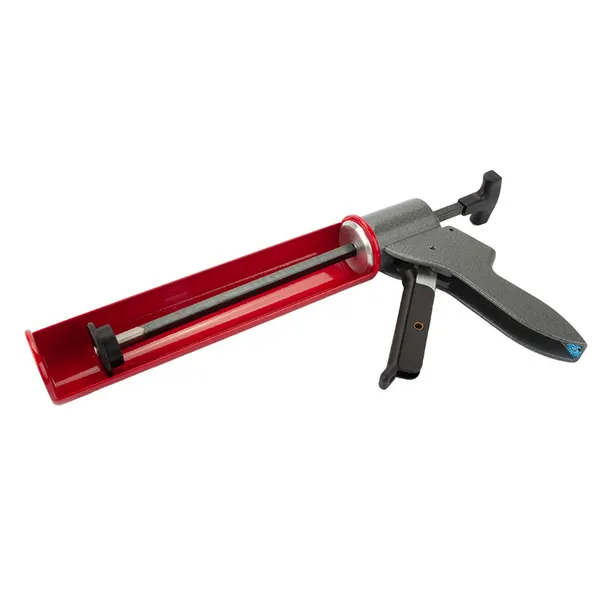
Work quietly and do not use too much sealant. The tools you need for this — caulking gun, caulk iron and caulk remover to loosen old caulk — can be found in our glass articles.
When should your sealant be replaced?
Sealant doesn't last forever. Replace sealant when you see that the edge no longer seals properly. Signs that kit needs to be replaced:
- cracks
- loose edges
- black mold
- leakage
- hard or friable sealant
- open seams
- moisture behind the sealant
- discoloration
- loose glass
Bad sealant is extra important for windows. If water gets behind the glazing beads, it can cause wood rot or leaking insulating glass. Do you see moisture on or between the glass? Then read more about recognizing condensation on windows and leaking glass.
Conclusion
The right kit depends on the application. Use glazing sealant for windows and insulating glass. For bathrooms and shower walls, use silicone sealant or sanitary sealant. Use acrylic sealant for interior seams that are painted. Always use special mirror kit for mirrors. Do not use acrylic sealant outside, do not use silicone sealant on places you want to paint and do not use standard mounting sealant on mirrors.
The right sealant prevents leaks, mold, damage and loose joints. Are you unsure which kit you need? Then first look at the application: glass or wall, inside or outside, wet or dry, visible or paintable.
Would you like to know more or order directly?
- Kit, glazing beads, glazing tape and mounting material can be found in our glass articles.
- Are you replacing insulating glass? View insulating glass (HR++) or read how to install thicker insulating glass in an existing frame.
- For the bathroom: shower and bath glass and custom mirrors.
- Are you unsure about sharp or ground edges on your glass? Read edge finishing of glass.
Do you want custom glass with the right finish? Simply put it together via custom glass.