
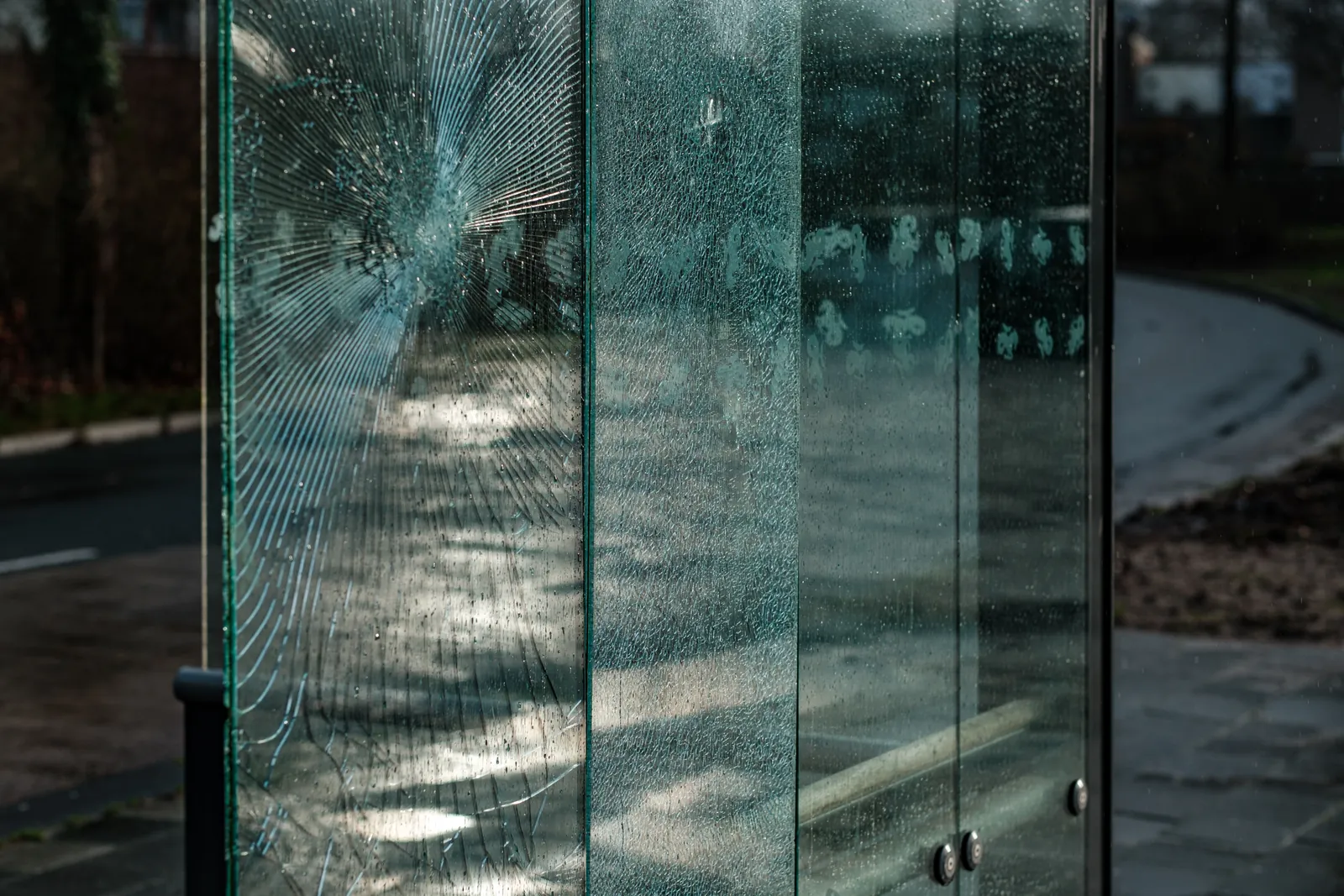
A crack in double glazing is annoying and often confusing. Sometimes the crack is on the inside, sometimes on the outside and sometimes it appears to be between the layers of glass. The question then is: can you repair double glazing with a crack, or does the entire window need to be replaced?
The short rule is: You usually cannot repair a crack in double glazing. In almost all cases, the complete glass package must be replaced, because double glazing is one closed insulating unit. In this article we explain what to do if there is a crack in double glazing, how such a crack occurs and what you should pay attention to when replacing it.
What exactly is double glazing?
Double glazing consists of two panes of glass with a space between them. You call that space the cavity. The glass plates are secured all around with a spacer and edge seal. The closed structure provides insulation. The cavity contains air or gas, depending on the type of glass. With HR++ glass there is usually an insulating coating and noble gas in the cavity.
Double glazing is therefore not a separate combination of two panes that you can easily take apart. It is one complete glass package. That is why you usually replace the entire window in the event of damage.
Can you repair a crack in double glazing?
No, usually not. A crack in double glazing means that one of the glass sheets is damaged. The glass plate is therefore weakened. The crack can tear further due to temperature differences, wind, movement of the frame or tension in the glass.
Gluing or filling a crack is not a sustainable solution. This does not make the glass strong and safe again. The damage also remains visible. This is why the following usually applies to double glazing:
| Situation | Action |
|---|---|
| Crack in interior window | Replace glass package |
| Crack in exterior window | Replace glass package |
| Crack from the edge | Check cause and replace glass package |
| Multiple cracks | Quickly replace |
| Glass is loose or moving | Have it assessed immediately |
A temporary emergency repair can sometimes help keep the situation safe, but it is not a real solution.
Why does the entire glass package need to be replaced?
Double glazing is sealed airtight at the edge. The insulating effect depends on the closed cavity. If one sheet of glass is broken, you cannot simply replace that sheet of glass and rebuild the window as if it were new.
The entire package must be replaced because:
- the window is produced as one whole;
- the edge seal must be intact;
- the insulation value would otherwise be lost;
- repair remains visible;
- the strength of the glass is not reliably restored;
- the cavity cannot simply be closed properly again.
That is why, in the event of damage to double glazing, a new insulating pane made to measure is usually ordered. You can read more about this in replacing double glazing.
Rule of thumb: double glazing is one closed insulating unit. In the event of a crack, replace the entire glass package, not just the damaged glass top.
Is a crack in double glazing dangerous?
That depends on the size and location of the crack. A small crack can sometimes remain for a while, but the glass is weakened. A crack can grow larger and eventually break. Additional risk arises from:
- large cracks;
- multiple cracks;
- damage to the glass edge;
- glass in door or sliding doors;
- glass at low height;
- glass in children or pets;
- glass on the outside on the first floor;
- wind load;
- large temperature differences.
If in doubt, it is wise to have the window replaced quickly or made temporarily safe.
What should you do immediately if there is a crack?
Is the window cracked, but is the glass still in place? Then you can first make the situation safe. Do this:
- Do not touch the crack unnecessarily.
- Avoid hard blows or pressure on the glass.
- Keep children and pets away.
- If necessary, temporarily cover the crack with strong tape.
- Take photos for insurance.
- Check whether any glass is loose.
- Have the window measured for replacement.
Use tape only as a temporary measure. It sometimes prevents loose parts from moving, but it does not repair the window.
When is urgency necessary?
Not every crack requires immediate action, but sometimes you have to act quickly. Urgency is wise for:
- large crack through the entire window;
- loose glass shards;
- window that is open to the outside;
- crack in door or sliding doors;
- glass on the ground floor in case of burglary risk;
- rain or wind coming in;
- diamond that is bulging or moving;
- crack in a safety application;
- glass above or next to a walking route.
For small cracks without immediate danger, you can usually have a new window ordered, but don't wait too long.
How does a crack occur in double glazing?
A crack can have various causes. Sometimes there is a clear impact, such as a ball or stone. Sometimes the window seems to crack spontaneously. Common causes:
- impact damage;
- thermal fracture;
- tension in the glass;
- incorrect placement;
- edge damage;
- wood rot or subsidence of the frame;
- glass that gets stuck in the rebate;
- temperature differences;
- incorrectly placed glass blocks;
- pressure of glazing beads;
- existing minor damage.
The shape of the crack sometimes provides clues to the cause.
Thermal break in double glazing
Thermal fracture is caused by temperature differences in the glass. Part of the window becomes warm, while another part remains cold. This creates tensions. If that tension becomes too great, the glass can crack. Thermal fracture often starts from the edge of the glass. Causes of thermal stress:
- partial shade on the window;
- sun on a cold window;
- dark foil on glass;
- furniture close to the window;
- cushions against glass;
- curtains tight against the glass;
- heating aimed directly at glass;
- stickers or posters on the window;
- existing edge damage.
In the event of thermal breakage, it is important to identify the cause so that the new window does not break again.
Crack from the edge
A crack that starts from the edge often indicates stress or edge damage. The glass edge is the most vulnerable part of the window. Possible causes:
- damage during installation;
- glass that clamps in the frame;
- too little space around the window;
- wrong glass cubes;
- tension due to a crooked frame;
- pressure of the glazing bead;
- thermal fracture;
- wood rot causing the window to sag.
If a crack comes from the edge, you should not only replace the window, but also check the installation and frame.
Crack in the middle of the window
A crack in the middle of the window is more often caused by impact. Think of a ball, stone, hard tap or object against the glass. Possible causes:
- ball against window;
- stone through the lawn mower;
- branch or storm damage;
- tools;
- furniture against window;
- hard blow;
- vandalism;
- attempted burglary.
With impact damage, the cause is often more visible, for example due to a hole or star-shaped starting point.
Crack on the inside or outside?
Sometimes you want to know which side the crack is on. You can carefully check this by running your nail over the glass, but only do this if it is safe and the glass is not loose. NB:
- Can you feel the crack on the room side?
- Can you feel it on the outside?
- Does the crack appear to be in the cavity?
- Is one sheet of glass broken or both?
- Is there also condensation between the glass layers?
It usually makes little difference to the solution: with double glazing, the entire glass package must be replaced.
Crack and condensation between double glazing
If there is condensation between the glass sheets in addition to a crack, the window is definitely leaking or damaged. The cavity is then no longer properly closed. You recognize this by:
- moisture between the glass sheets;
- haze that you cannot wipe away;
- stains in the cavity;
- condensation that remains;
- white deposits inside;
- less clear vision.
In this case the window must be replaced. Cleaning on the inside of the cavity is not possible. You can read more about this in recognizing and replacing leaking double glazing and condensation on windows: inside, outside or between the glass.
Is double glazing still insulating with a crack?
The insulating effect can be reduced, especially if the edge seal or cavity is damaged. Even if the window does not appear to be leaking, the glass sheet is weakened. Possible consequences:
- less insulation;
- more condensation;
- risk of leakage from the cavity;
- further crack formation;
- noise leak;
- safety risk;
- moisture problems in the frame.
A cracked window no longer functions as intended.
Crack in HR++ glass
HR++ glass is a form of insulating glass. If HR++ glass cracks, the entire package usually needs to be replaced. When replacing, please note:
- total glass thickness;
- cavity width;
- HR coating;
- gas filling;
- warm edge spacer;
- ventilation grille;
- safety glass if necessary;
- glazing beads and rebate space.
If you are replacing old double glazing, HR++ glass is often a smart upgrade. But with broken HR++ glass you usually want to restore at least the same performance.
Crack in old double glazing
Old double glazing often insulates less well than modern HR++ glass. If old double glazing cracks, that is a good time to look for improvements. You can consider:
- HR++ glass;
- sound-resistant insulating glass;
- safety glass (laminated glass);
- sun-resistant glass;
- vacuum glass for narrow frames;
- replace or add ventilation grille.
Check whether the existing frame is suitable for the new glass thickness. More about this in thicker insulating glass in an existing frame.
Crack in double glazing per frame type
Wooden frame
With wooden frames you must look carefully at the condition of the wood, the glazing beads and the sealant seams. Check:
- Is there wood rot?
- Are the glazing beads secured?
- Are the sealant seams still good?
- Is there water in the rebate?
- Does the window close properly?
- Is the frame warped?
- Is the paintwork damaged?
- Are the nose slats or sills bad?
If the frame is bad, just replacing the window may not be enough. Then the problem may return. Also read wood rot due to poor glazing and replacing glazing beads with insulating glass.
Plastic frame
Plastic window frames often have glass with rubbers and click frames. A crack can be caused by impact, tension or incorrectly placed glazing. Check:
- Are the rubbers in good condition?
- Is the glass well supported?
- Is the window not stuck?
- Is the window part deformed?
- Are the glazing beads placed correctly?
- Is there enough slack?
Replacement must be done with a pane that matches the profile and glazing beads.
Aluminum frame
Aluminum frames can be strong, but glass must also be placed properly without tension. Aluminum reacts to temperature and can cause cold bridges in older systems. Check:
- thermal break;
- rubbers;
- glass cubes;
- clamping strips;
- profile clearance;
- water drainage;
- correct glass thickness.
With old aluminum frames it may be useful to immediately look for better insulation.
Can a cracked window remain in place?
Sometimes a cracked window remains for weeks or months, but that does not mean it is wise. A crack can suddenly split further. Moisture or dirt can also cause damage. Have a window replaced quickly if:
- the crack grows;
- the window moves;
- the glass is loose;
- the window opens and closes frequently;
- the window is large;
- there are children nearby;
- the glass is low to the floor;
- it concerns a door or facade.
Safety comes first.
Insurance in the event of a crack in double glazing
A crack in double glazing is sometimes covered by glass insurance or home insurance. That depends on the cause and the policy conditions. Check:
- Do you have glass insurance?
- Is there storm damage?
- Is there any burglary damage?
- Is the accident your own fault?
- Is there thermal fracture?
- Is there a deductible?
- Do you have to report in advance?
- Are photos necessary?
Always take photos of the damage before replacing the window.
How much does it cost to replace double glazing?
The price depends on several factors. Costs are affected by:
- size of the window;
- type of glass;
- HR++ or standard double glazing;
- safety glass;
- soundproof glass;
- sun-resistant glass;
- ventilation grille;
- accessibility;
- assembly;
- condition of the frame;
- urgent or normal delivery.
A small standard window is much cheaper than a large HR++ window with grille or safety glass.
Measure new window
With double glazing, accurate measurements must be taken. It is not only about width and height, but also about the total glass thickness. Important:
- width;
- height;
- total package thickness;
- glass structure;
- cavity width;
- type of spacer;
- grid size;
- safety glass if necessary;
- figure glass direction;
- frame material;
- rebate depth.
Don't just measure the visible glass. The window partly disappears behind glazing beads or rubbers. You can find a step-by-step plan in measuring glass.
Can you immediately choose better glass?
Yes. If double glazing needs to be replaced, that is often a good time to improve. Possible upgrades:
- HR++ glass for better insulation;
- vacuum glass for limited space;
- soundproof glass against traffic noise;
- laminated safety glass on low windows;
- sun protection glass when there is a lot of sun;
- frosted glass for privacy;
- ventilation grille for better ventilation.
Please note: the frame must be suitable for the chosen glass structure. Are you unsure between double, triple or vacuum glass? Then read triple glass: when and when not.
How do you prevent new cracks?
You cannot prevent every crack, but you can limit the risks. Tips:
- avoid hard hits against glass;
- do not place furniture tightly against the window;
- avoid dark foil without advice;
- do not hang curtains tightly against the glass;
- do not aim the heater directly at a cold window;
- maintenance sealant and glazing beads on time;
- repair wood rot in time;
- ensure that glass is installed without tension;
- prevent damage to glass edges;
- use suitable glass in case of sun exposure.
In case of recurring fracture, the cause must be investigated.
Common mistakes when there is a crack in double glazing
- Try to glue crack — that will not restore strength or insulation.
- Only want to replace one glass sheet — double glazing is one closed glass package.
- Wait too long — the crack may become larger and more dangerous.
- Do not check cause — stress or thermal breakage may cause the new window to break again.
- Order wrong thickness — the window must fit into the rebate, glazing beads and rubbers.
- Ignore condensation between layers of glass — this indicates leaking insulating glass.
- Do not take photos for insurance purposes — photos can be important for claim settlement.
Selection aid: what do you do if there is a crack in double glazing?
| Situation | Best action |
|---|---|
| Small crack without danger | Have the window measured and replaced |
| Big crack | Make it safe and replace it quickly |
| Crack in door or sliding doors | Have it assessed quickly |
| Crack from the glass edge | Check cause |
| Crack due to impact | Replace window |
| Crack plus condensation between glass | Replace window |
| Old double glazing cracked | Consider upgrading to HR++ |
| Crack due to thermal fracture | Eliminate the cause |
| Glass is loose | Enable emergency |
| Damage due to storm or burglary | Take photos and check insurance |
Checklist for a crack in double glazing
Check these points:
- Is the crack in the inner pane or outer pane?
- Is the crack large or small?
- Does the crack start at the edge?
- Is there condensation between the glass sheets?
- Is there immediate danger?
- Is the window still firmly attached?
- Is there damage to the frame or glazing beads?
- Is there an impact?
- Could it be thermal fracture?
- Is it old double glazing or HR++ glass?
- Do you immediately want better insulating glass?
- Does thicker glass fit in the frame?
- Is safety glass necessary?
- Should insurance be involved?
- Were photos taken?
Conclusion
You usually cannot repair a crack in double glazing. Because double glazing is one closed insulating glass package, the entire window almost always has to be replaced in the event of damage. Gluing or filling is at most temporary and does not restore strength, safety and insulation value.
Pay close attention to the cause of the crack. A crack from the edge may indicate stress, improper installation, thermal breakage or frame problems. If you only replace the window without solving the cause, the new window may break again.
Is the old double glazing damaged? Dan is dit vaak een goed moment om te kiezen voor HR++ glas, veiligheidsglas, geluidswerend glas of vacuümglas. Zo los je niet alleen de schade op, maar verbeter je meteen comfort, isolatie en veiligheid.
Want to know more? Also read broken window: replace or repair and replace double glazing. Ready to have your new window measured and ordered? Determine your measurements with custom glass or immediately put together your new insulating glass. Are you unsure about the correct structure or frame? Please feel free to contact with us.