
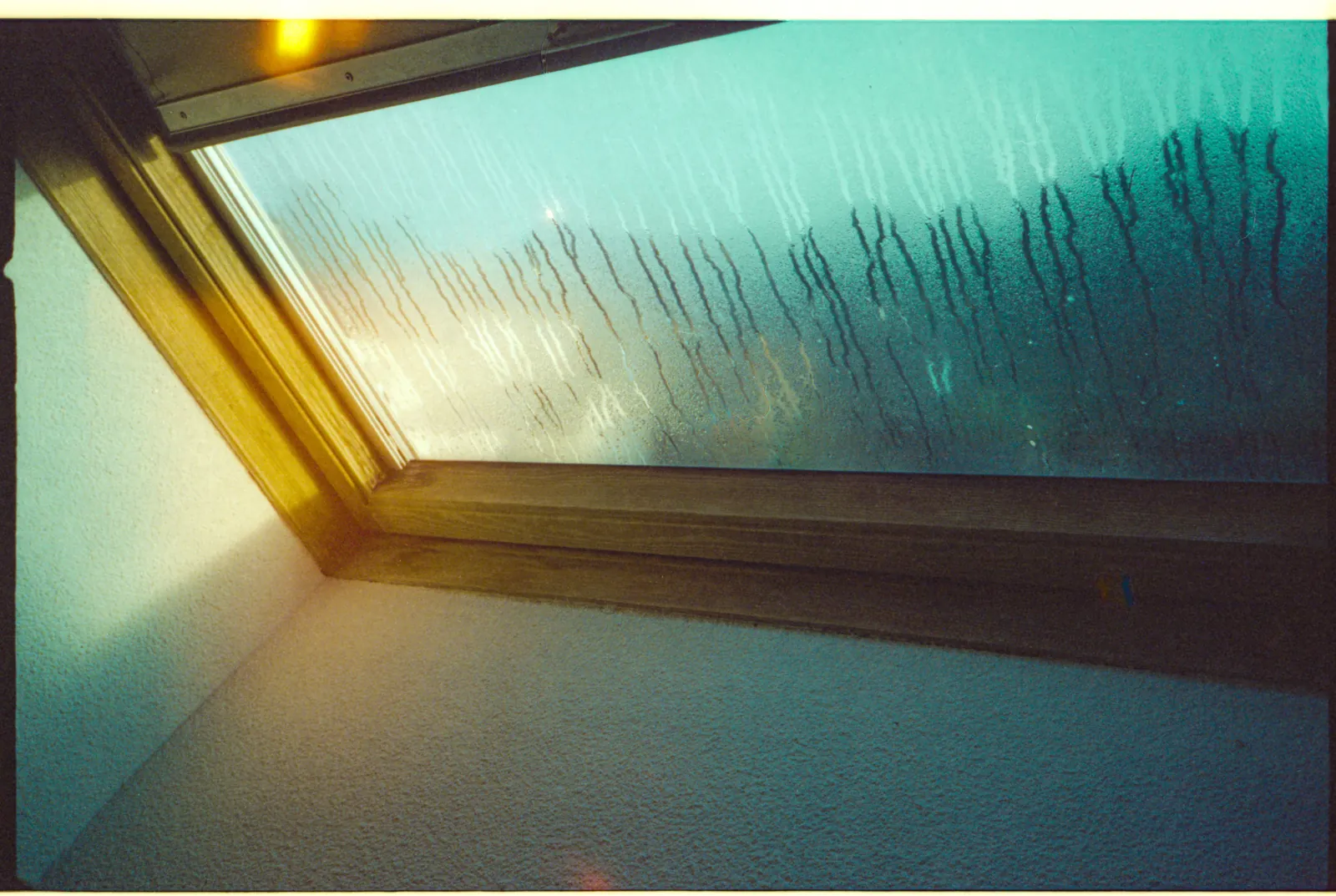
Do you see condensation, haze or moisture between the glass panes of your double glazing? Then there is a good chance that your window has a leak. Leaky double glazing is not only annoying for the view, but also bad for the insulation: the window no longer does what it is intended for - keeping heat in and moisture out.
The short rule is simple: Is the condensation between the glass plates and you cannot wipe away the moisture? Then your double glazing is probably leaking and the window needs to be replaced. In this article we explain how to recognize a leaking double glazing, how it occurs, whether you can repair it and when replacement is the best solution.
What is leaky double glazing?
Double glazing consists of two panes of glass with a closed space between them: the cavity. The cavity contains dry air or noble gas. The edge seal around the glass ensures that the cavity remains closed.
If double glazing is leaking, the edge seal is no longer properly closed. This allows moist air to enter the cavity, and that moisture remains between the glass plates. The result:
- condensation between the glass
- a lasting haze
- stains in the window
- less insulating effect
- worse vision
- sometimes chalky deposits
- ultimately a window that becomes increasingly ugly
You can clean the inside and outside of the window, but the haze will remain. That's because the problem is in the cavity — a place you can't reach.
How do you recognize leaking double glazing?
You can mainly recognize leaky double glazing by moisture or deposits between the glass panes. The main feature is that you can't wipe it off. Common signals are:
- condensation between the windows
- gray or white haze
- drops in the cavity
- milky spots
- lime stripes
- glass that remains cloudy
- dirt that appears to be behind the glass
- varying fogged areas
- moisture that becomes visible especially with temperature differences
Sometimes the problem is not visible every day. The haze may be more noticeable in certain weather, for example in sunlight, cold or high humidity.
Condensation inside, outside or between the glass?
Not all condensation means that your glass is leaking. The location of the condensation is decisive.
| Where is the condensation? | What does it usually mean? | Solution |
|---|---|---|
| Inside of the window | Too much moisture in the house | Ventilate |
| Exterior of the window | Glass insulates well | Do nothing |
| Between the glass plates | Leaky double glazing | Replace window |
You can wipe away condensation on the inside from the room side. You can wipe away condensation on the outside. You cannot touch condensation between the glass — and that is the easiest test.
Does the haze remain visible while both sides of the window are clean? Then the moisture is in the cavity and your double glazing is leaking.
Would you like to delve deeper into where condensation comes from? Then read condensation on windows: inside, outside or between the glass.
Simple test: can you wipe away the condensation?
Do this check:
- Clean the inside of the window.
- Clean the outside of the window.
- See if the haze or droplets remain.
- Check from different angles.
- Look mainly in daylight or sunlight.
Does the haze remain visible even though both sides are clean? Then the problem is between the glass plates. You can also test with your finger: touch the spot where you see condensation. Does the area feel dry and you can't reach it? Then the moisture is probably in the cavity.
How does leaking double glazing occur?
Leaky double glazing occurs when the edge seal of the window no longer works properly. The seal is located around the window, between the glass plates. Causes may include:
- old age
- poor placement
- bad sealant seams
- damaged glass edge
- moisture load in the frame
- wood rot
- tension in the window
- operation of the frame
- wrong glazing materials
- standing water at the edge of the glass for a long time
Insulating glass must be dry and well supported in the frame. If water remains at the glass edge, the edge seal can wear out more quickly.
What happens to the insulation if double glazing leaks?
With double glazing, the closed cavity provides insulation. As soon as moist air enters the cavity, this effect deteriorates. The window is not immediately completely worthless, but it clearly insulates less well than intended. You may suffer from:
- more heat loss
- colder glass surface
- less comfort
- more condensation problems
- worse vision
- higher heating requirement
With HR++ glass the gas filling may also disappear. As a result, the window loses an important part of its insulating effect.
Can you repair leaking double glazing?
In practice, leaking double glazing cannot be permanently repaired. You cannot properly remove the moisture between the glass plates without opening the window. And even if it seems drier temporarily, the original edge seal remains damaged.
Sometimes you see methods where holes are drilled in the glass to allow moisture to escape. This may make a temporary optical difference, but it does not really restore the insulation value.
The best solution is therefore: replace the window. This will solve the problem definitively and you can immediately opt for better insulating glass.
Do you have to replace the entire frame?
No, usually not. If double glazing is leaking, you often only need to replace the window. The frame can remain in place if it is still in good condition. The frame must be checked for:
- wood rot
- bad sealant seams
- loose glazing beads
- poor drainage
- damaged rebate
- too little space for new glass
- poor ventilation of the frame
If the frame is bad, it must be repaired first. Otherwise, the new window may have problems again.
When should you replace leaking double glazing?
Replacement is wise when:
- there is visible moisture between the glass plates
- the window is permanently blurred
- vision becomes worse
- the glass is old
- you still want to become more sustainable
- condensation or stains remain in the cavity
- the window is part of a living space
- the insulation is noticeably worse
- you feel a cold at the window
Don't wait too long if the window continues to deteriorate. The longer moisture problems persist, the greater the chance that the frame will also be affected.
Can you wait before replacing?
Sometimes you can wait a little longer, for example if it concerns a small blur in a storage room or shed. The glass does not immediately fall apart because it is leaking. But in living areas, replacement is usually wiser — especially with large windows, you lose unnecessary heat and comfort.
You can prioritize:
- living room
- bedroom
- kitchen
- bathroom
- workroom
- storage room or garage
The larger the window and the more often you are in the room, the more benefit you will receive from replacement.
Which glass do you choose as a replacement?
If double glazing is leaking, it is smart not to re-install old type double glazing, but immediately opt for better insulating glass. Possible choices:
- HR++ glass
- triple glass
- vacuum glass
- laminated HR++ glass
- soundproof insulating glass
- insulating glass with ventilation grille
For most existing window frames, HR++ glass is the most practical replacement: it insulates well and often fits into existing rebates. You can immediately assemble your [new insulating window] to size](/isolatieglas/samenstellen). Vacuum glass can be useful for narrow old window frames. For new window frames you can consider triple glazing.
HR++ glass as a replacement for leaking double glazing
HR++ glass is often the best choice if you are replacing leaking double glazing. Advantages:
- better insulation than old double glazing
- less heat loss
- more comfort
- often fits into existing window frames
- possible subsidy
- less cold
- better visibility
- modern glass structure
Always have it checked whether the glass thickness fits. HR++ glass can be thicker than the old double glazing. You can read more about this in thicker insulating glass in an existing frame.
Vacuum glass as an alternative
Vacuum glass is interesting when your frame has too little space for standard HR++ glass. It is thinner, but still insulates very well. Especially with:
- old wooden frames
- monumental window frames
- narrow rebates
- preservation of existing appearance
- situations where HR++ is too thick
- renovation without frame replacement
It is more expensive than HR++ glass, but can be technically the best solution when space is limited.
Triple glass as an alternative
Triple glazing is especially interesting if you also install new window frames. It insulates very well, but is thick and heavy. Suitable for:
- new construction
- new window frames
- complete renovation
- very well insulated homes
- low temperature heating
- maximum energy performance
Triple glazing is often less practical for existing window frames. When it is and is not worth it, you can read in triple glass: when it is and when it is not?.
Can you get a subsidy for replacement?
If you replace leaking double glazing with HR++ glass, triple glazing or vacuum glazing, you may be able to receive a subsidy. To achieve this, the glass must meet the conditions and be professionally installed. NB:
- you need to replace enough square meters
- the glass must have the correct insulation value
- the installation must be done by a construction or installation company
- you need an invoice, proof of payment and often a reporting code
- You usually submit the application after implementation
Always check the current rules before you start. You can find more information in ISDE subsidy for insulating glass.
How do you prevent new double glazing from leaking again?
Good placement is at least as important as the glass itself. New insulating glass must be installed dry, stress-free and correctly supported. Important points to note:
- use suitable glazing sealant
- ensure good glazing tape
- place glass blocks in the right place
- prevent stagnant water in the rebate
- use good glazing beads
- repair wood rot in advance
- ensure sufficient drainage
- prevent damage to the glass edge
- check the sealant seams regularly
Bad sealant or moisture in the frame can shorten the lifespan of insulating glass. We have the right glazing kit, glass blocks and glazing beads. You can read which kit is suitable for what in which kit do you use for what?. A ventilation grille can also help to remove moisture from the room, so that you have fewer condensation problems.
Common mistakes with leaking double glazing
- Thinking that condensation on the outside means leaky glass. Condensation on the outside is often a sign that the glass insulates well.
- Try to clean the window. You cannot wipe away condensation between glass panes.
- Waiting too long before replacing. Long-term moisture problems can also damage the frame.
- Only replace the window without checking the frame. Bad sealant seams or wood rot can cause problems again.
- Reinstall outdated double glazing. When replacing, it is better to immediately opt for HR++ glass or a better alternative.
- Do not take glass thickness into account. New insulating glass must fit into the existing rebate.
Checklist: is my double glazing leaking?
- Do you see moisture between the glass plates?
- Does a haze remain visible after cleaning?
- Do you see drops in the cavity?
- Has the glass become milky or gray?
- Are there limescale marks between the glass?
- Is the window older than 15-20 years?
- Does the window feel colder than other windows?
- Is the sealant bad or torn?
- Is there wood rot around the window?
- Is visibility getting worse?
Do you answer "yes" multiple times? Then your double glazing is probably leaking.
Conclusion
You can mainly recognize leaky double glazing by condensation, moisture or haze between the glass panes. Can't you wipe away the condensation on the inside or outside? Then the problem is probably in the cavity and the edge seal of the window is leaking.
Leaking double glazing cannot be permanently repaired — the best solution is to replace the window. You often do not have to replace the entire frame, as long as the frame is still in good condition. When replacing, immediately choose better insulating glass, such as HR++ glass, vacuum glass or triple glass. Always check the condition of the frame, the rebate depth, the glass thickness and the ventilation.
Read more: condensation on windows: inside, outside or between the glass · what is HR++ glass? · thicker insulating glass in an existing frame · triple glazing: when and when not?
Window leaking? Easily determine your new size with our custom-made glass configurator, put together your new insulating window or immediately view the offer insulating glass. Are you unsure about the glass thickness or the frame? Please feel free to contact us — Team Glastotaal will think along with you.