
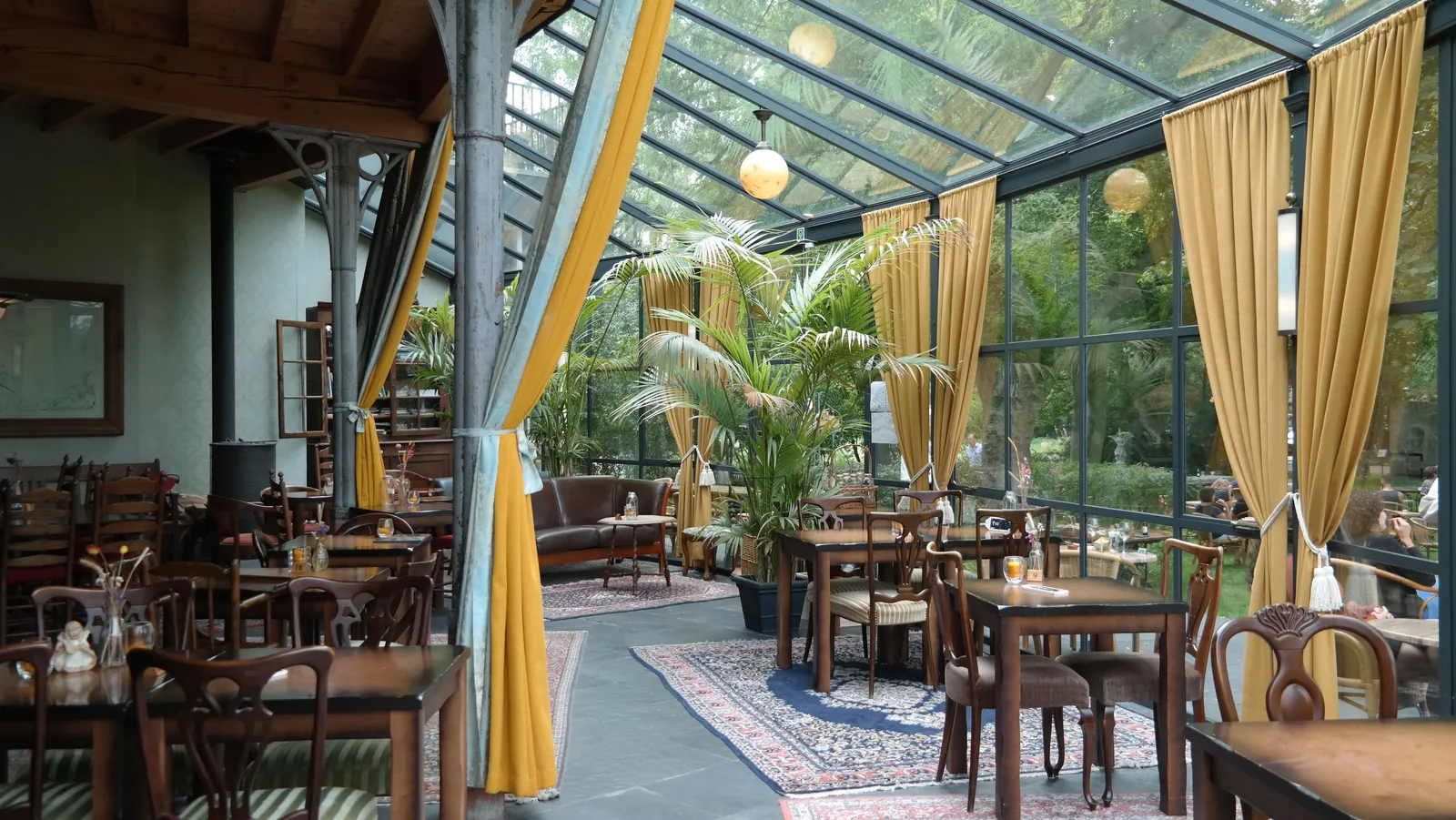
A veranda, patio cover or glass roof provides a lot of light and protects against rain. But glass above your head requires the right choice: it must be strong enough, break safely and match the construction. Ordinary glass is not suitable for this. The short rule is: always use safety glass for a veranda or canopy, usually laminated glass or laminated insulating glass. The glass must remain hanging when broken and must not fall down in loose shards.
In this article we explain which glass to choose for a veranda, canopy, skylight or glass roof, what thickness is important and what you should pay attention to when installing.
Why is glass for a canopy different from normal glass?
Glass in a window is vertical. Glass in a veranda or canopy is positioned diagonally or horizontally above people. That makes safety much more important. Roof glass has to deal with:
- own weight
- rain
- wind
- snow
- temperature differences
- falling branches
- cleaning
- load due to mounting
- risk of falling shards
If standard glass breaks above your head, sharp shards can fall down. That's dangerous. That is why you use safety glass for roof applications.
Rule of thumb: glass above your head = laminated glass. Tempered glass is strong, but falls down as grains when broken. Laminated glass remains stuck to the foil.
Which glass do you use for a veranda?
For a veranda or patio cover you usually use laminated safety glass. This glass consists of two or more glass plates with foil in between. If the glass breaks, the shards remain stuck to the foil. This means that the glass does not immediately fall down as loose shards.
Commonly used options are:
- laminated glass
- tempered-laminated glass
- laminated insulating glass
- sun-resistant laminated glass
- frosted or milky laminated glass
The right choice depends on the construction, span, angle of inclination and desired insulation.
Why laminated glass?
Laminated glass is important because it stays together if broken. That's exactly what you want with glass over people. Advantages of laminated glass for canopies:
- shards remain stuck to foil
- less chance of falling glass
- suitable for roof glazing
- safer than normal glass
- available in different thicknesses
- possible with sun-resistant or matt version
- suitable for customization
Please note: laminated glass can still break. But the breakage behavior is safer than with standard glass. You can read more background in Laminated glass: what is it?.
Tempered glass or laminated glass?
Tempered glass is stronger than normal glass, but if it breaks, it shatters into small grains. That is safer than sharp shards, but on a roof you don't want the glass to fall down. That is why single tempered glass is usually not the best choice for a veranda or canopy.
| Glass type | Suitable for a roof? | Why |
|---|---|---|
| Normal glass | No | Breaks into sharp shards |
| Tempered glass | Usually not just | Falls down when broken |
| Laminated glass | Yes | Remains attached to foil if broken |
| Tempered-laminated glass | Yes | Strong and stays together better |
| Laminated insulating glass | Yes | Safety and isolation |
The simple rule: if you have glass above your head, choose laminated glass. Are you unsure between the two? Read Toughened or laminated glass?.
What is tempered-laminated glass?
Toughened laminated glass consists of tempered glass plates with foil in between. You then combine the strength of tempered glass with the safe breaking behavior of laminated glass. Tempered laminated glass is interesting for:
- larger glass plates
- higher tax
- verandas
- awnings
- glass roofs
- constructions with larger spans
- situations where extra strength is needed
It is more expensive than standard laminated glass, but is often technically stronger.
Single glazing or insulating glass for a veranda?
single laminated glass is used for many outdoor canopies. This is not thermally insulating, but it is safe. This is often sufficient for an open veranda. Is the room closed or heated? Then insulating glass may be necessary, which you can [compose] with a layered inside as insulating double glazing](/isolatieglas/samenstellen).
| Situation | Glass selection |
|---|---|
| Open patio cover | Laminated glass |
| Unheated veranda | Laminated glass |
| Enclosed conservatory | Laminated insulating glass |
| Heated extension | HR++ or triple roof glass with safety structure |
| Skylight in home | Insulating glass with laminated inside |
| Glass roof above interior space | Insulating safety glass |
In a heated room you not only want safety, but also insulation. You can find the differences between HR++, triple and vacuum glass in Compare insulating glass, and calculate the insulation value with the U-value calculator.
Glass for an open patio cover
An open patio cover is outside and is usually not heated. The glass must above all be safe, strong and weather-resistant. Laminated glass is often chosen for open canopies. Important are:
- glass thickness
- span between beams
- angle of inclination
- snow load
- water drainage
- edge imposition
- correct rubbers
- distance between glass plates
- safe mounting
Because the construction determines a lot, the glass structure must be tailored to the system.
Glass for a conservatory
A conservatory is often more enclosed than a veranda. Sometimes the room is even heated. Then insulation is more important. For a conservatory you often choose:
- laminated insulating glass
- HR++ roof glass with safety structure
- sun-resistant insulating glass
- possibly triple glazing for very high insulation requirements
Please note: roof glass for a conservatory must be chosen differently from vertical window glass. The inside must be safe in the event of breakage, so that shards do not fall down.
Glass for a skylight
A skylight is usually located in a flat roof or extension and brings daylight inside. Because the glass is above an interior space, safety and insulation are important. Insulating glass with a layered inner pane is often used for skylights. Why?
- good heat insulation
- less condensation
- safe in case of breakage
- better comfort
- possible sun protection coating
- suitable for living areas
Sun protection is also important for skylights. A lot of glass in the roof can let in a lot of heat in the summer.
Glass for a glass canopy
A glass canopy often hangs above a door or entrance. Here too, the glass lies or hangs above people. That is why safety is essential. Toughened-laminated glass is often used for awnings. NB:
- mounting with point holders or profiles
- loads from wind and snow
- glass thickness
- cantilever
- edge finishing
- water drainage
- substructure
Never use standard glass for an awning.
What thickness of glass for a canopy?
The correct thickness depends on the span, load and glass structure. There is no set thickness that is always right. Factors that determine thickness:
- width of the glass plate
- length of the glass plate
- distance between beams
- angle of inclination
- snow load
- wind load
- glass structure
- single or insulating glass
- walkable or not
- mounting system
For small roofs, structures such as 44.2 or 55.2 are often used, but larger spans may require heavier glass. If in doubt, always have the structure checked. See also What glass thickness do I need?.
What does 44.2 or 55.2 glass mean?
With laminated glass you often see codes such as 44.2, 55.2 or 66.2.
- 44.2 glass means 4 mm glass + 4 mm glass + 2 films in between
- 55.2 glass means 5 mm glass + 5 mm glass + 2 films in between
The thicker the glass layers and the more foils, the stronger and heavier the glass usually becomes.
| Construction | Meaning | Glass thickness without foil |
|---|---|---|
| 44.2 | 2 × 4 mm glass + 2 foils | 8 mm |
| 55.2 | 2 × 5 mm glass + 2 foils | 10 mm |
| 66.2 | 2 × 6 mm glass + 2 foils | 12 mm |
| 88.2 | 2 × 8 mm glass + 2 foils | 16 mm |
The exact choice depends on the application.
How heavy is glass for a canopy?
Glass is heavy. This is important for construction and installation. Glass weighs approximately 2.5 kg per m² per millimeter of glass thickness.
| Glass construction | Weight per m² |
|---|---|
| 44.2 | about 20 kg |
| 55.2 | about 25 kg |
| 66.2 | about 30 kg |
| 88.2 | about 40 kg |
| Insulating glass 44.2-15-6 | about 35 kg |
A 1000 × 3000 mm in 55.2 glass plate weighs approximately:
1 × 3 = 3 m² 3 × 10 × 2.5 = 75 kg
Therefore, the construction must be suitable for the glass weight and for snow and wind loads. Calculate the exact weight with the explanation in Calculate glass weight.
Construction: slope, snow and wind
Inclination angle of the canopy
The angle of inclination is important for water drainage and dirt. Glass that is almost flat remains dirty more quickly and water drains less well. NB:
- sufficient slope
- water must be able to flow to the gutter
- dirt is less likely to remain where the slope is higher
- snow load may be different on a gentle slope
- sealing must be suitable
A good inclination angle prevents water from remaining on the glass.
Snow load and wind load
Glass for a canopy must not only support its own weight. It also receives loads from snow and wind. Snow can be heavy, especially when it gets wet or accumulates. Wind can suck or press on the structure. That is why it is important:
- local situation
- roof slope
- free location
- height of the canopy
- distance between beams
- glass dimensions
- confirmation
- construction strength
For larger projects, the construction must be technically assessed.
Is glass for a canopy walkable?
Normal veranda or roof glass is not automatically walkable. Glass can be strong, but that doesn't mean you can stand on it. Walkable glass requires a special structural glass structure and calculation. So do not use standard roof glass to walk on:
- cleaning
- maintenance
- roof access
- assembly
- inspection
Should glass be walkable? Then specialist advice is needed.
Comfort: sun, view and clarity
Sun-resistant glass for veranda or conservatory
A glass roof lets in a lot of light, but also heat. In the summer, a veranda, conservatory or extension can quickly become warm. Sun-resistant glass can help limit heat radiation. Sun-resistant glass is interesting for:
- greenhouses
- skylights
- south-facing verandas
- large glass surfaces
- rooms that heat up quickly
- extension with lots of roof glass
You can also combine sun protection with screens, cloths or outdoor sun protection. External sun blinds often work better against heating than internal sun blinds.
Matte or milky glass for canopy
Sometimes you want light, but less visibility or less bright sunlight. Then frosted, opal or milky glass can be interesting. Advantages:
- softer light
- less view from above
- less visibility of dirt
- calmer appearance
- less bright sunlight
Disadvantage: you look outside or at the sky less clearly. The effect is therefore different than with clear glass.
Clear glass or extra clear glass?
Standard glass has a light green tint. With thick glass build-ups, this tint may be visible, especially at the edges. Extra clear glass has less green color cast. This can be better with luxurious canopies or light constructions. Choose extra clear glass when:
- appearance is important
- you want the clearest possible view
- the glass is thick
- you want a luxurious finish
- the construction is modern and sleek
For standard verandas, clear laminated glass is often sufficient.
Condensation on glass roofs
Condensation can form in unheated roofs, especially due to temperature differences and moist air. That is not always a sign that the glass is wrong. Condensation can be caused by:
- cold nights
- high humidity
- little ventilation
- open garden construction
- temperature difference between inside and outside
- cold glass surfaces
In heated indoor spaces, insulating glass helps to reduce condensation. More about this in Condensation on windows: inside, outside or between the glass.
Installing glass on a canopy
Glass for a canopy must be installed without tension and well supported. Important for installation:
- correct mounting
- suitable rubbers
- no hard contact with metal
- sufficient space between glass plates
- correct clamping strips
- good water drainage
- protection of glass edges
- no tension due to crooked construction
- use of glass vacuum cleaners
- sufficient people
Glass edges are vulnerable. Damage to the edge can cause glass breakage later.
Rubbers and profiles
Glass should not lie directly on hard profiles. Suitable rubbers or support materials must be used. They ensure:
- protection of glass edges
- absorption of small movements
- waterproofing
- tension-free installation
- less chance of breakage
- neat connection
Always use materials that suit the glass system and outdoor use.
Distance between glass plates
There must be sufficient space between glass plates. Glass should not touch each other. Why distance is important:
- effect by temperature
- make mounting possible
- water drainage
- prevention of edge damage
- space for profiles or rubbers
- neat finish
The exact distance depends on the system. Measure your canopy accurately using the tips from Measuring glass.
Cleaning glass on a veranda
Glass on a canopy becomes dirty due to rain, leaves, dust and bird droppings. Regular cleaning keeps the glass nicer and prevents deposits. Tips:
- use soft brush or sponge
- use mild cleaning agent
- rinse thoroughly
- do not use abrasive substances
- don't walk on the glass
- use a safe ladder or scaffolding
- remove leaves from gutters
- check rubbers and profiles
Professional cleaning is safer for hard-to-reach canopies.
Common mistakes with glass for canopies
- Use normal glass — Normal glass is unsuitable above people; choose safety glass.
- Choose tempered glass only — Tempered glass is strong, but falls down if broken; laminated glass is safer for roof applications.
- Guess glass thickness — The correct thickness depends on span, load and construction.
- Underestimate weight — Large panes of glass can be very heavy.
- Disregard for snow — Snow loads can be much heavier than expected.
- Too little slope — Water and dirt are more likely to remain on glass that is too flat.
- Put glass directly on metal — Always use suitable rubber or support materials.
- Thinking that roof glass is walkable — Regular roof glass is not automatically suitable for walking on.
Selection aid: which glass for your veranda?
| Situation | Best choice |
|---|---|
| Open patio cover | Laminated safety glass |
| Larger span | Heavier layered structure |
| Extra strength required | Tempered-laminated glass |
| Heated conservatory | Laminated insulating glass |
| Skylight in home | Insulating glass with laminated inside |
| Awning above door | Tempered-laminated glass |
| Less heat | Sun protection glass |
| Less insight | Matt or opal laminated glass |
| Luxurious clear result | Extra clear glass |
| Walkable glass | Special structural structure |
Checklist before ordering glass for a canopy
- Does the glass come above people?
- Has laminated safety glass been chosen?
- Is the canopy open or heated?
- Is insulating glass necessary?
- What are the glass dimensions?
- What is the distance between beams?
- What is the angle of inclination?
- Has snow load been included?
- Has wind load been included?
- Can the structure support the weight?
- Are rubbers and profiles suitable?
- Is there sufficient slope?
- Is solar control glass desirable?
- Should the glass be frosted or clear?
- Is professional installation necessary?
- Is the glass walkable or not?
Conclusion
You don't just use standard glass for a veranda, patio cover, awning or skylight. Because the glass is above people, safety is the most important principle. Therefore, usually choose laminated safety glass or tempered-laminated glass. For heated rooms or conservatories, you are more likely to choose laminated insulating glass. The correct glass thickness depends on the dimensions, span, slope angle, snow load, wind load and construction. So don't just guess a thickness, but tailor the glass to the application. In addition, pay attention to weight, water drainage, rubbers, profiles and mounting.
Read more about safety glass and insulating glass, or compare the options in Toughened or laminated glass? and What glass thickness do I need?.
Need custom glass for your veranda or canopy? Easily put together your laminated safety glass via Custom Glass. Are you unsure about thickness, structure or construction? Please feel free to contact us for advice.